Starting a private label skincare brand sounds simple on paper—pick products, add your logo, launch. In reality, the brands that survive the first 12–18 months usually don’t try to do everything. They focus on a small set of high-demand, low-risk, repeat-purchase products and build from there.
Across 2026 industry trends, one pattern is very clear: beginners who win are the ones who launch around 5 core product types—cleanser, serum, moisturizer, sunscreen, and treatment cream—instead of chasing too many SKUs at once. These categories consistently perform because they match daily skincare routines and generate repeat orders.
Below is a practical breakdown of the best private label skincare products for beginners, based on market demand, formulation stability, and global consumer behavior.
Why Product Choice Matters More Than Branding at the Start
Most first-time founders over-invest in packaging and branding while underestimating product logic. But skincare is not a “design-first” industry—it’s a performance + trust business.
A strong beginner product line should be:
- Easy to formulate (or source as ODM stock formulas)
- Stable in shipping and storage
- Broad enough for mass appeal
- Still differentiated enough to avoid commodity pricing pressure
Private label manufacturing is especially useful here because you can start with tested formulas instead of building everything from scratch.
In other words, your first goal is not innovation. It’s consistency, safety, and repeat purchase behavior.
Facial Cleansers (The Entry Product That Builds Trust)
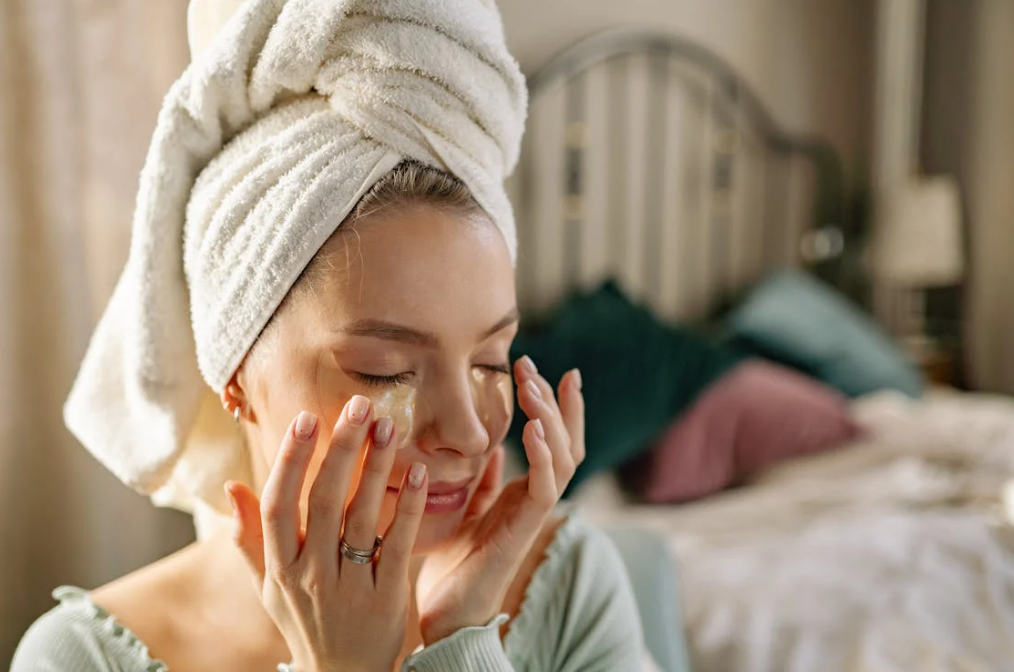
Cleansers are usually the first product customers try—and sometimes the first product they repurchase.
Why beginners should start here
- Low formulation complexity
- Works for all skin types when done right
- Daily-use product = high retention
- Easy to position (gentle, hydrating, acne control, etc.)
Common private label formats include gel cleansers, foam cleansers, and oil-based cleansers designed for makeup removal or barrier support.
Beginner-friendly positioning ideas
- “Barrier-friendly gentle cleanser”
- “Oil-control acne cleanser for teens”
- “Hydrating non-stripping face wash”
Cleansers don’t need aggressive claims. The real selling point is comfort—skin that feels clean but not tight.
Hydrating Serums (The Fastest Growth Category)
Serums are where most new skincare brands try to look “advanced,” and for good reason—they are highly profitable and easy to market.
But there is also a downside: oversaturation. Every brand sells vitamin C, niacinamide, or hyaluronic acid now.
Still, demand remains extremely strong because serums deliver visible results quickly and encourage repeat purchases every 30–45 days.
Best beginner serum directions
- Hyaluronic Acid (hydration + plumping)
- Niacinamide (pore + oil control)
- Vitamin C (brightening)
- Barrier repair serum (ceramides, centella)
A smart beginner strategy is not to launch five serums. Start with one multifunctional serum.
For example:
Hydration + barrier + brightening in one formula
Less complexity = easier marketing + better inventory control.
Moisturizers (The Repeat-Purchase Engine)
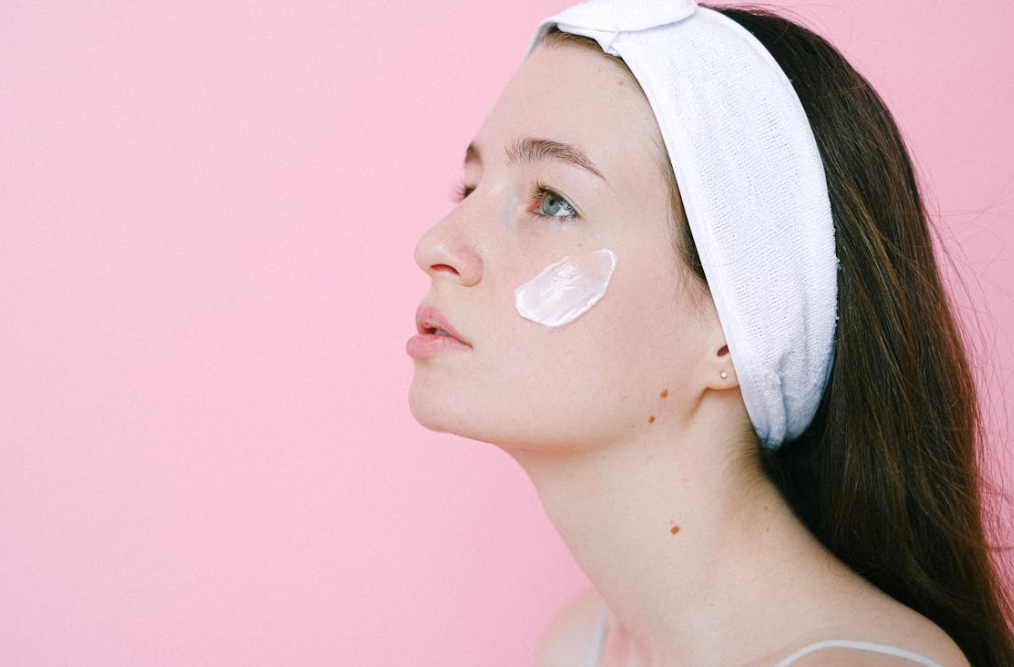
If cleansers build trust, moisturizers build loyalty.
They are essential in every skincare routine, which makes them one of the most stable categories in private label skincare.
Why moisturizers matter for beginners
- High repurchase rate
- Easy to customize texture (gel, cream, lotion)
- Works across multiple demographics
- Strong bundling potential with serums
Beginner-friendly product directions
- Lightweight gel cream for oily skin
- Barrier repair cream for sensitive skin
- Night repair cream with soothing actives
Moisturizers are where your brand “feel” lives. Texture, absorption, and finish matter more than marketing claims.
Sunscreen (The Trust Builder That Can Scale Globally)
Sunscreen is one of the most important but underestimated private label products.
Why? Because it sits at the intersection of:
- Daily use
- Dermatologist recommendation
- Regulatory importance
- Global demand
Why beginners should consider sunscreen
- Strong repeat usage in sunny regions
- High credibility product for brand positioning
- Essential for complete skincare routine bundles
However, formulation complexity is higher than cleansers or moisturizers. Stability, SPF testing, and texture optimization matter significantly.
Beginner brands often start with:
- SPF 30 lightweight lotion
- Hybrid moisturizer + SPF
- Mineral sunscreen for sensitive skin positioning
A well-done sunscreen can elevate an entire brand’s perceived quality.
Targeted Treatment Creams (Where You Differentiate)
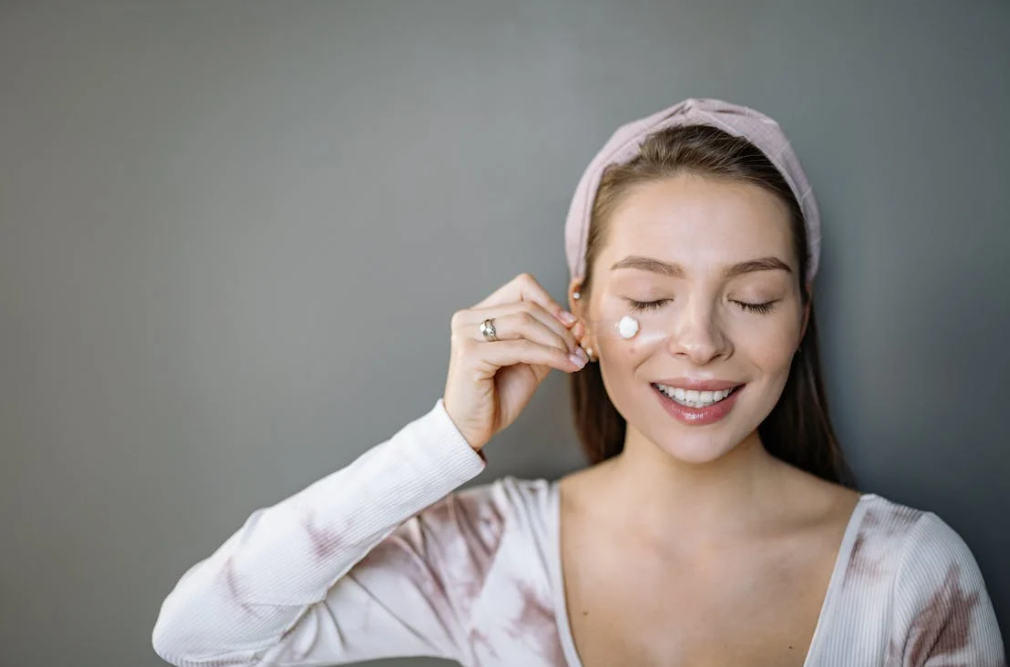
This is where your brand stops being “generic skincare” and becomes a solution-focused system.
Treatment creams typically target:
- Acne
- Pigmentation
- Anti-aging
- Redness and sensitivity
Why they are powerful for beginners
- High perceived value
- Easier differentiation
- Strong emotional buying triggers
Common private label options include:
- Acne spot treatment gels
- Retinol night creams
- Pigmentation correction creams
Industry data shows anti-aging and barrier repair formulas are among the most profitable private label skincare segments in recent years.
A smart move for beginners is to choose one core skin problem only, not three.
Face Masks (Optional but High Engagement)
Face masks are not essential—but they are excellent for marketing.
They drive:
- Social media content
- Trial purchases
- Gift sets and bundles
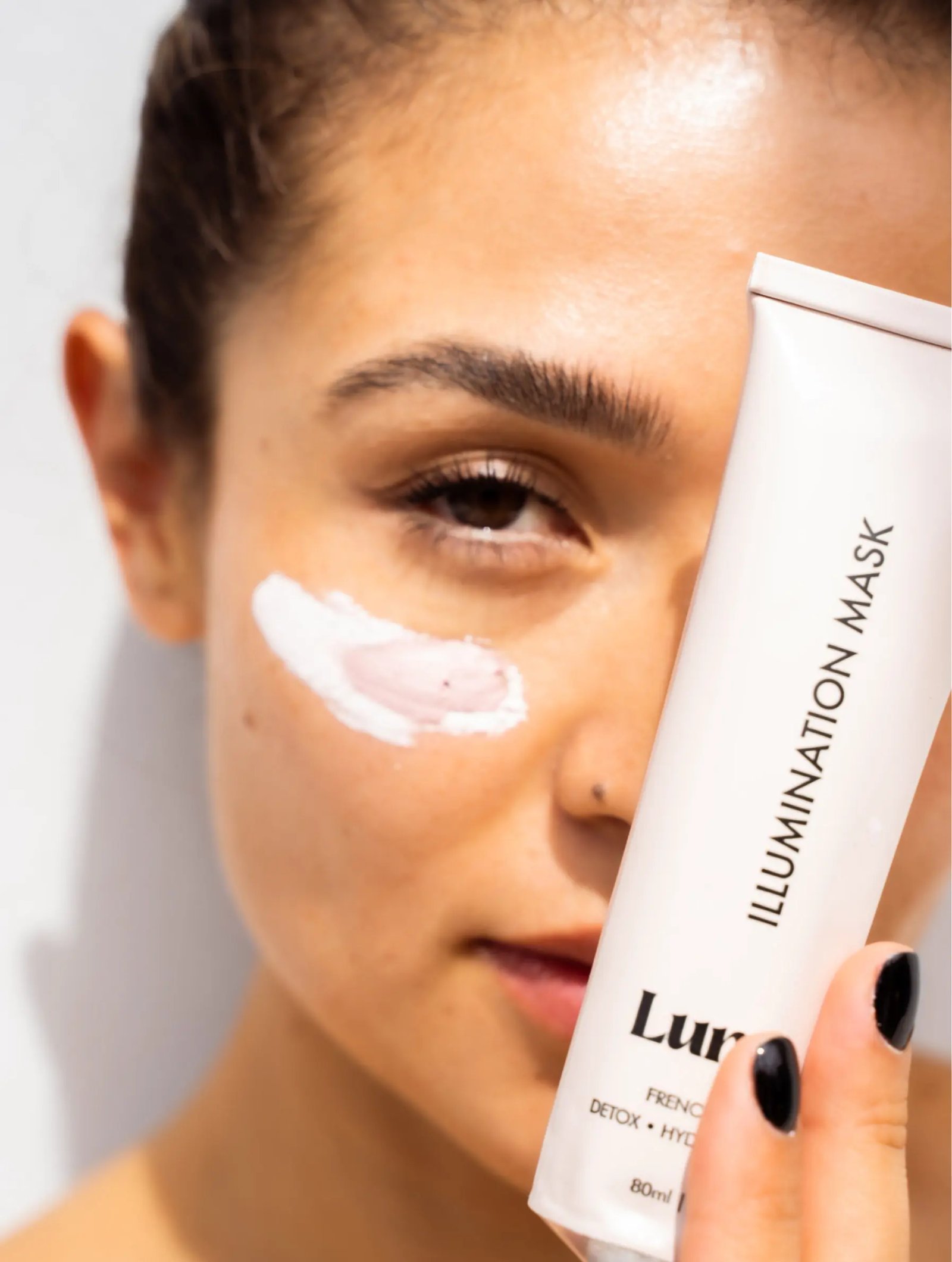
Popular private label mask types:
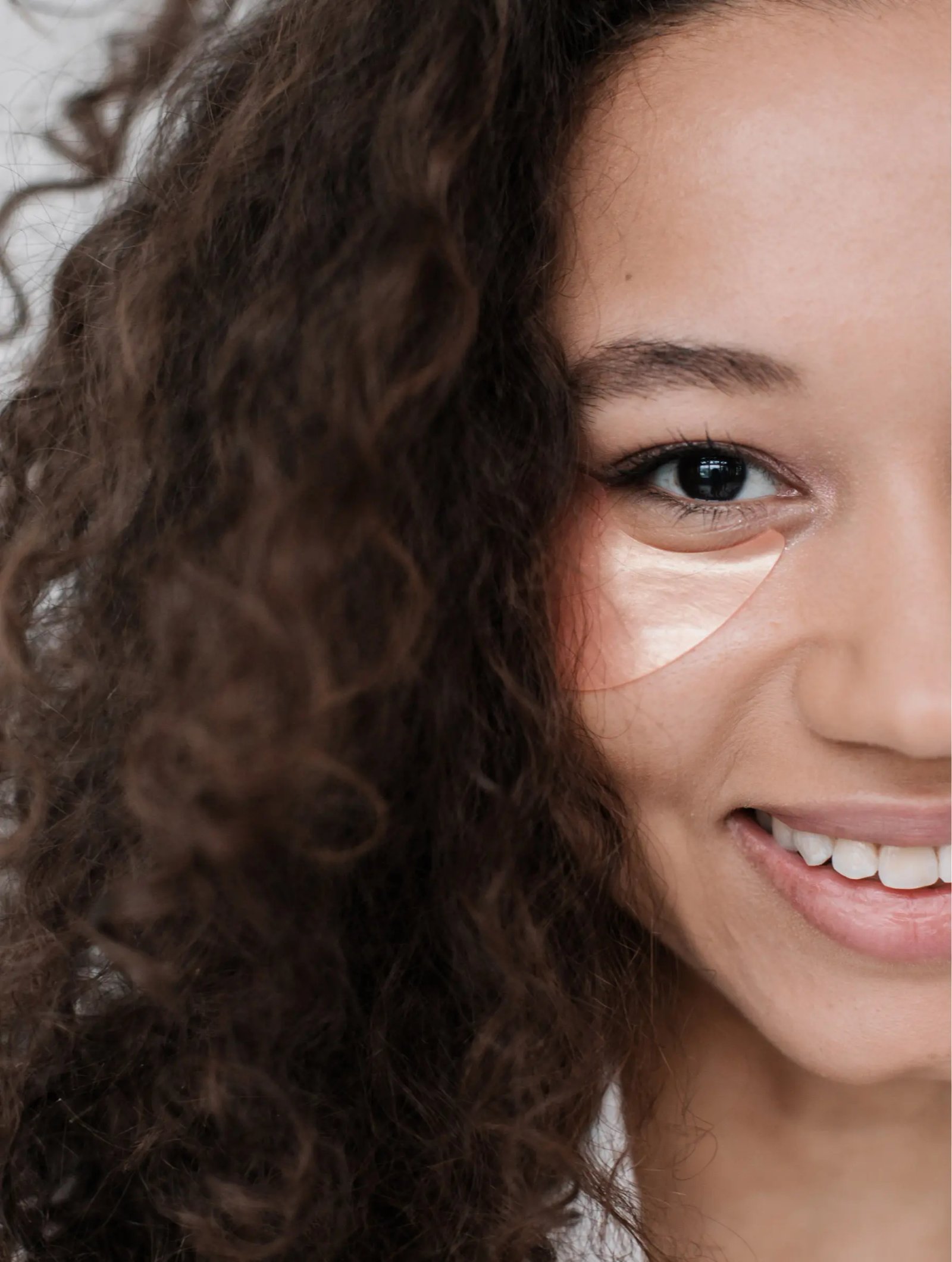
- Sheet masks (hydration or brightening)
- Clay masks (oil control)
- Sleeping masks (overnight repair)
They are especially useful for brand storytelling, even if they are not your main revenue driver.
Toners (Optional Support Product)
Toners are no longer “must-have” in modern skincare routines, but they still perform well in hydration-focused brands.
Best beginner versions:
- Hydrating mist toner (hyaluronic acid + panthenol)
- Gentle exfoliating toner (low acid concentration)
- Soothing toner for sensitive skin
Think of toners as support products, not core revenue drivers.
Recommended Beginner Product Line Structure
Instead of launching randomly, successful private label brands usually follow a structure like this:
- 1 Cleanser
- 1 Serum
- 1 Moisturizer
- 1 Sunscreen
- 1 Treatment cream
This is not just marketing logic—it mirrors how consumers actually build routines. Most ODM manufacturers also recommend starting with 3–5 hero products for risk control and faster market validation.
Common Beginner Mistakes (Worth Avoiding)
Many first-time skincare founders make predictable errors:
- Launching too many SKUs at once
- Copying trending products without differentiation
- Ignoring texture and user experience
- Overusing active ingredients in early formulas
- Choosing “cheap over stable” manufacturing
The market in 2026 is competitive, but not unforgiving. Poor positioning is a bigger issue than lack of innovation.
Short Conclusion
For beginners, private label skincare success is not about launching the most products—it’s about launching the right foundation set. Cleanser, serum, moisturizer, sunscreen, and one treatment product are enough to build a strong entry brand.
Once these perform well, expansion becomes easier and significantly less risky.
FAQs
What is the best private label skincare product to start with?
A gentle facial cleanser or hydrating serum is usually the safest starting point.
How many products should a beginner launch?
Ideally 3 to 5 core products, not more.
Is private label skincare profitable?
Yes, especially serums and moisturizers due to strong repeat purchase rates.
Do I need custom formulas to start?
No, most beginners start with ODM ready-made formulas.
What is the easiest skincare product to manufacture?
Cleansers and moisturizers are the easiest and most stable options.