Walk down any skincare aisle—or scroll through ingredient lists online—and face moisturizers start to look like chemistry experiments. Long, technical names. Botanical extracts. Lab-created actives. It’s easy to assume it’s all complicated.
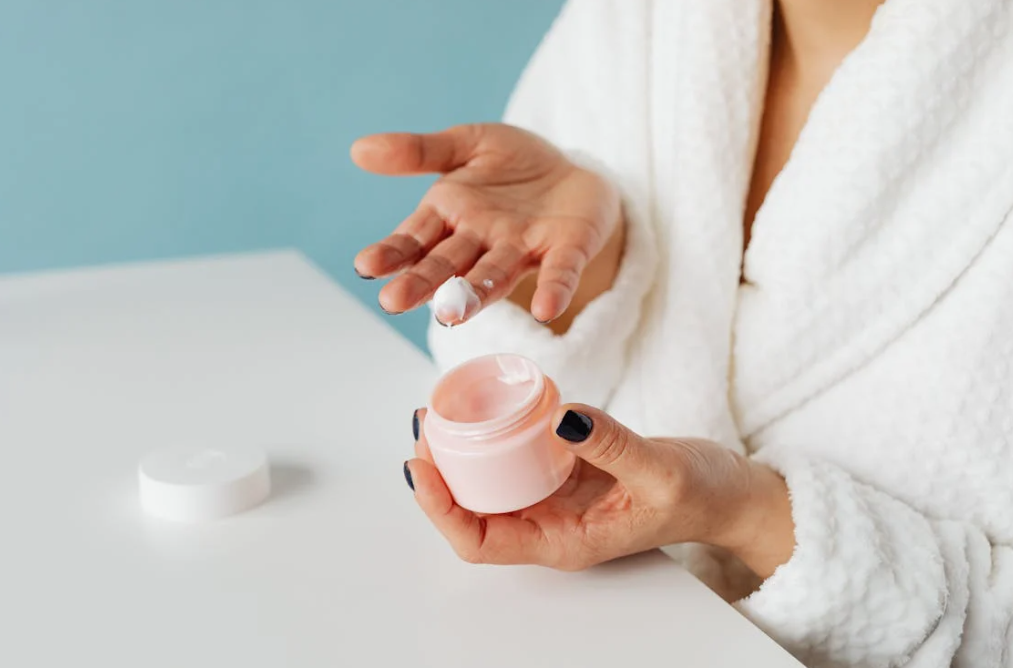
But here’s the truth: most effective face moisturizers are built on a surprisingly simple foundation. Once you understand the structure, you can read any label like a pro—and choose smarter products for your skin.
This guide breaks it all down. Not just what goes into a face moisturizer, but why each ingredient exists—and how they work together in real formulations.
What Is a Face Moisturizer, Really?
A face moisturizer is not just a “hydrating cream.” It’s a carefully balanced formula designed to:
- Add water to the skin
- Prevent moisture loss
- Smooth and repair the skin barrier
Most modern moisturizers follow a three-part system: humectants, emollients, and occlusives. These aren’t marketing terms—they’re functional ingredient categories used across the skincare industry.
Think of it like building a house:
- Humectants = bring in water
- Emollients = repair the structure
- Occlusives = seal everything in
Without one of these, the formula becomes less effective.
The 3 Core Ingredient Categories in Face Moisturizers
- Humectants: The Water Magnets
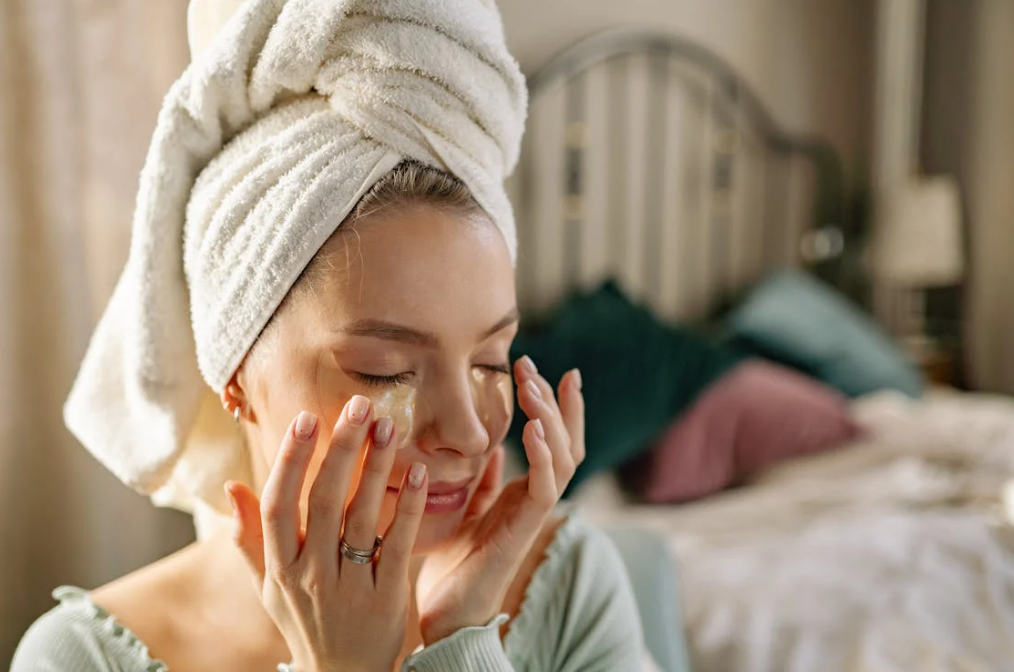
Humectants are the hydration drivers. They pull water into the skin—from the environment or deeper layers—and increase skin moisture levels.
Common humectants include:
- Hyaluronic acid
- Glycerin
- Urea
- Aloe vera
These ingredients are responsible for that “plump,” dewy look. They increase water content in the outer skin layer (stratum corneum), improving elasticity and softness.
But here’s the nuance: Humectants don’t lock hydration in. In dry environments, they can actually draw water out of the skin if not paired with other ingredients.
That’s why a moisturizer with only hyaluronic acid often feels great at first—but doesn’t last.
- Emollients: The Skin Smoothers
If your skin feels rough, flaky, or uneven, emollients are doing the repair work.
They function by filling microscopic gaps between skin cells, creating a smoother, softer surface.
Common emollients include:
- Ceramides
- Squalane
- Fatty acids
- Plant oils (jojoba, almond, etc.)
Emollients are especially important for:
- Dry skin
- Aging skin
- Compromised skin barriers
They don’t necessarily add water—but they make the skin feel better immediately and help retain hydration over time.
- Occlusives: The Moisture Sealers
Occlusives are the final step. They form a protective layer on the skin to prevent water loss (also called transepidermal water loss, or TEWL).
Common occlusives include:
- Petrolatum
- Beeswax
- Dimethicone
- Shea butter
These ingredients are thicker and heavier—often found in creams rather than gels.
Important distinction:
- Humectants = bring water in
- Occlusives = keep water from escaping
Without occlusives, hydration evaporates quickly. That’s why richer moisturizers feel more “long-lasting.”
Supporting Ingredients in Modern Moisturizers
Beyond the core trio, today’s face moisturizers often include additional functional ingredients.
- Emulsifiers (The Formula Stabilizers)
Water and oil don’t mix—unless you force them to.
Emulsifiers bind water-based and oil-based ingredients together into a stable cream or lotion. Without them, your moisturizer would separate in the bottle.
Examples:
- Lecithin
- Polysorbates
- Cetearyl alcohol
- Preservatives (The Safety Net)
Any product containing water can grow bacteria. Preservatives prevent contamination and extend shelf life.
Common preservatives:
- Phenoxyethanol
- Parabens (controversial but widely studied)
- Ethylhexylglycerin
Despite online myths, preservatives are essential for product safety.
- Thickeners & Texture Enhancers
These ingredients determine how a moisturizer feels—light gel, silky lotion, or rich cream.
Examples:
- Carbomer
- Xanthan gum
- Fatty alcohols
They don’t directly hydrate—but they influence user experience, which matters more than most people think.
- Active Ingredients (Targeted Benefits)
Modern moisturizers often double as treatment products.
Common actives include:
- Niacinamide (brightening, oil control)
- Vitamin C (antioxidant)
- Peptides (anti-aging support)
- Retinol (in some night creams)
These ingredients go beyond hydration, targeting specific skin concerns.
- Fragrance & Botanical Extracts
These are optional—but common.
- Fragrance improves sensory appeal
- Botanical extracts add marketing value and sometimes antioxidant benefits
However, sensitive skin types may prefer fragrance-free formulas.
Water vs Oil-Based Moisturizers: What’s the Difference?
Most moisturizers are emulsions—meaning they contain both water and oil.
But the ratio matters:
Water-Based (Gel or Lightweight Lotions)
- Higher humectant content
- Fast absorption
- Best for oily or acne-prone skin
Oil-Based (Creams & Balms)
- More emollients and occlusives
- Richer texture
- Ideal for dry or mature skin
The “best” moisturizer isn’t universal—it depends on your skin type and climate.
How Ingredients Work Together (The Real Secret)
A good moisturizer isn’t about one hero ingredient. It’s about synergy.
For example:
- Hyaluronic acid (humectant) draws water in
- Ceramides (emollient) repair the barrier
- Dimethicone (occlusive) locks everything in
This layered approach is why dermatologists often recommend formulas that combine all three categories rather than relying on a single ingredient.
How to Read a Moisturizer Ingredient List
Ingredient lists (INCI lists) follow a simple rule:
- Ingredients are listed in descending order of concentration
What to look for:
- Water (Aqua) is usually first
- Humectants appear early in hydrating formulas
- Occlusives often appear mid-to-late
Quick tip: If you see glycerin or hyaluronic acid near the top, it’s likely a hydration-focused product.
Ingredients to Choose Based on Skin Type
For Dry Skin
- Look for: ceramides, shea butter, petrolatum
- Avoid: alcohol-heavy formulas
For Oily Skin
- Look for: lightweight humectants (glycerin, HA)
- Avoid: heavy occlusives
For Sensitive Skin
- Look for: fragrance-free, minimal formulas
- Avoid: strong actives
For Acne-Prone Skin
- Look for: non-comedogenic ingredients
- Avoid: heavy oils and waxes
Common Myths About Moisturizer Ingredients
Myth 1: “Oil-Free Means Better”
Not always. Some oils (like squalane) are lightweight and beneficial.
Myth 2: “Natural Is Always Safer”
Natural ingredients can still irritate skin—essential oils are a common example.
Myth 3: “You Only Need One Hydrating Ingredient”
False. Hydration works best with a combination approach.
The Future of Moisturizer Formulations
The skincare industry is evolving fast, especially in regions like Guangzhou, where brands like Shellyes are combining traditional botanical knowledge with modern cosmetic science.
Emerging trends include:
- Microbiome-friendly ingredients
- Barrier-repair complexes
- Minimalist formulations (“skinimalism”)
Consumers are also becoming more ingredient-aware—driving demand for transparency and functional formulations.
Conclusion
Face moisturizers may look complex, but their foundation is simple: hydrate, repair, and protect.
Once you understand the roles of humectants, emollients, and occlusives, ingredient lists stop being intimidating—and start becoming tools.
The best moisturizer isn’t the one with the longest ingredient list. It’s the one with the right balance for your skin.
FAQs
What is the main ingredient in most face moisturizers?
Water is usually the primary ingredient, followed by humectants like glycerin.
Are expensive moisturizers better?
Not necessarily. Effectiveness depends on formulation, not price.
Can I use a moisturizer without occlusives?
You can, but hydration may evaporate quickly without a sealing ingredient.
Is hyaluronic acid enough on its own?
No. It works best when combined with emollients and occlusives.
How do I choose the right moisturizer?
Match ingredients to your skin type—lightweight for oily skin, richer formulas for dry skin.