Launching a skincare brand is exciting, but the first serious business question usually appears very quickly: how many units do you need to order?
For many startups, MOQ is the point where a product idea becomes a real financial decision. You may have a strong brand concept, a clear target customer, and a beautiful packaging direction, but if a manufacturer asks for 3,000, 5,000, or 10,000 units per SKU, the project can suddenly feel too risky.
This is why low MOQ skincare manufacturing has become so important for new beauty brands.
Low MOQ manufacturing allows startups to launch with smaller production quantities, test market demand, reduce inventory pressure, and improve cash flow before scaling. It is especially useful for private label skincare brands, Amazon sellers, Shopify stores, TikTok Shop brands, spa owners, influencers, and distributors entering a new category.
But low MOQ does not mean “no rules.” It also does not mean every formula, package, or claim can be customized at a tiny quantity. To use low MOQ manufacturing wisely, you need to understand what MOQ really means, what drives it, where the hidden costs are, and how to choose a manufacturer that can support your brand beyond the first small order.
If you are comparing suppliers now, this guide will help you make a more practical decision.
What Does MOQ Mean in Skincare Manufacturing?
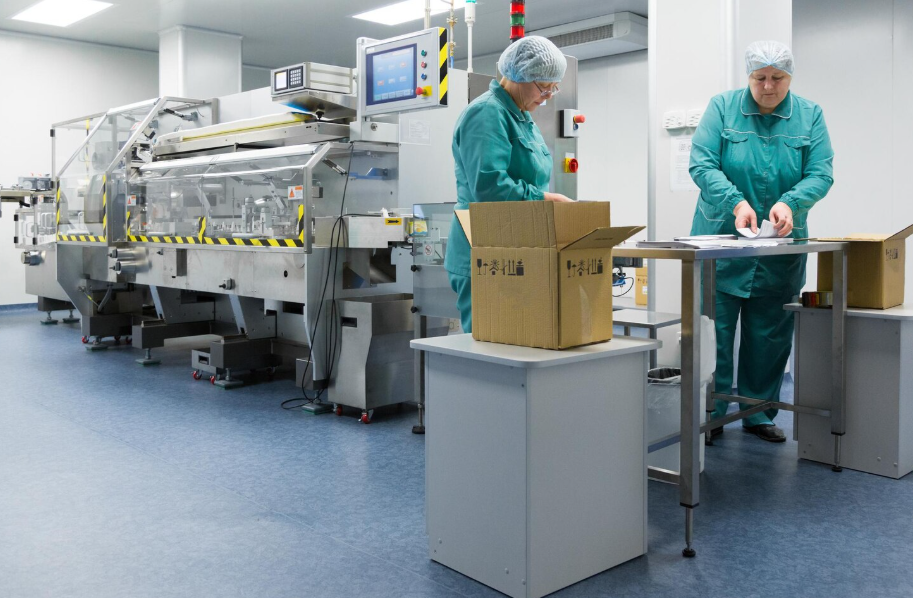
MOQ stands for minimum order quantity. It is the smallest number of units a manufacturer is willing or able to produce in one production run.
In skincare, MOQ usually applies per SKU. A SKU is one specific product version, including formula, size, packaging, label, and sometimes fragrance.
For example:
- A 30ml niacinamide serum in a dropper bottle is one SKU.
- The same formula in a 50ml airless pump is another SKU.
- The same moisturizer in two different fragrances may count as two SKUs.
- The same body lotion with two label designs for two markets may also create separate production requirements.
This matters because many startups think MOQ means “total order quantity.” In reality, a manufacturer may say 500 units MOQ, but that often means 500 units per SKU, not 500 units across five different products.
For a deeper breakdown, you can read Sheleys’ existing guide on private label skincare MOQ.
Why Low MOQ Matters for Skincare Startups

Low MOQ is important because early-stage beauty brands need learning speed more than inventory volume.
When you are just starting, you do not know with certainty which product will sell fastest, which claim will convert best, which packaging your customers will prefer, or which price point will create profitable repeat purchases.
Ordering too much too early can create problems:
- Cash is locked in inventory.
- Storage costs increase.
- Slow-moving SKUs reduce flexibility.
- Packaging or formula changes become expensive.
- Marketing budget becomes limited.
- You may discover customer feedback too late.
Low MOQ skincare manufacturing helps reduce these risks. Instead of committing to a large production run before the market speaks, you can launch a controlled quantity, collect real customer feedback, and then improve the product line.
This is especially useful when launching through online channels where product-market fit can be tested quickly. If your brand sells through Amazon, Shopify, TikTok Shop, Instagram, local retail, clinics, or spas, a smaller first order can help you validate demand before scaling.
What Counts as Low MOQ in Skincare?
Low MOQ depends on the product type and manufacturing model, but the following ranges are common:
| Stage | Typical Quantity | Best For |
| Sample testing | 10-50 units | Internal review, texture testing, early feedback |
| Very low MOQ | 100-300 units | Market testing, influencer seeding, small pilots |
| Startup MOQ | 300-1,000 units | First commercial launch |
| Standard private label MOQ | 1,000-3,000 units | Growing brands and repeat orders |
| Scale production | 5,000+ units | Retail, distributors, established brands |
For many startup-friendly skincare manufacturers, 500 units per SKU is a practical low MOQ level. It is large enough for a real launch, but small enough to reduce inventory risk.
That said, the exact MOQ depends on formula, packaging, ingredient sourcing, filling method, testing requirements, and whether you choose private label, ODM, or OEM.
Sheleys supports startup-friendly private label and OEM/ODM projects across product categories such as face care, body care, hair care, and baby care.
Private Label Usually Has the Lowest MOQ
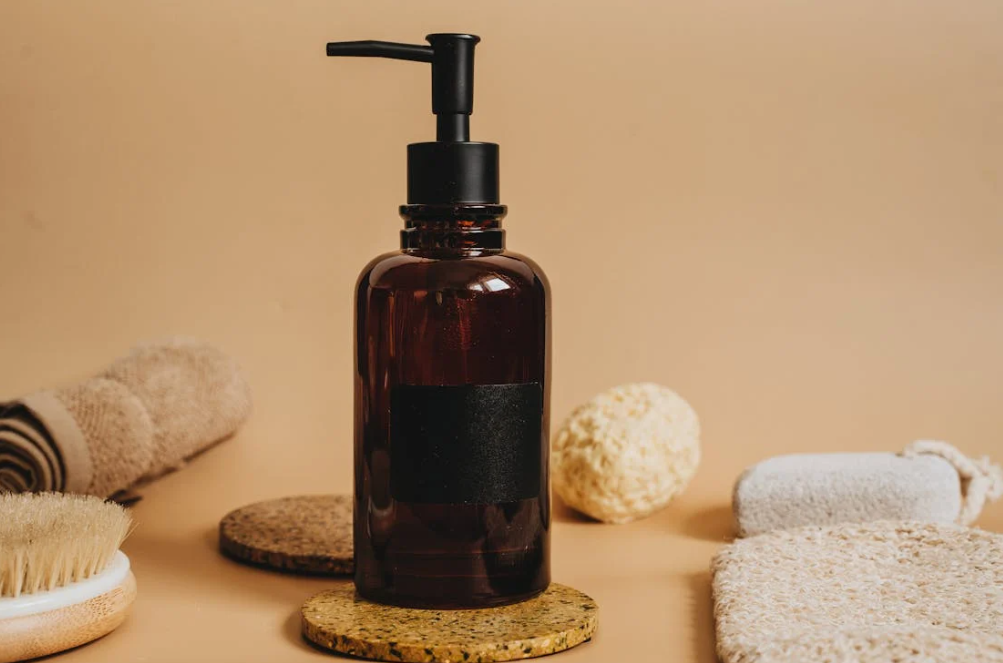
If your priority is low MOQ, private label skincare is usually the best starting point.
Private label means you choose an existing formula from the manufacturer’s formula library and sell it under your own brand name. Because the formula has already been developed and tested, the manufacturer does not need to start from zero. This makes smaller production runs more realistic.
Private label is often a good fit for:
- First-time skincare founders
- Amazon and Shopify sellers
- Spa and salon owners
- Influencers launching beauty products
- Local distributors testing a new category
- Brands that need fast market entry
- Companies validating a product concept
For example, instead of developing a custom moisturizer from scratch, a startup may choose an existing barrier repair cream, adjust packaging and label design, and launch under its own brand.
This keeps the project simpler and faster.
If you want to compare manufacturing models before deciding, read Sheleys’ guide: Private Label vs ODM vs OEM Skincare.
ODM and OEM Often Require Higher MOQ
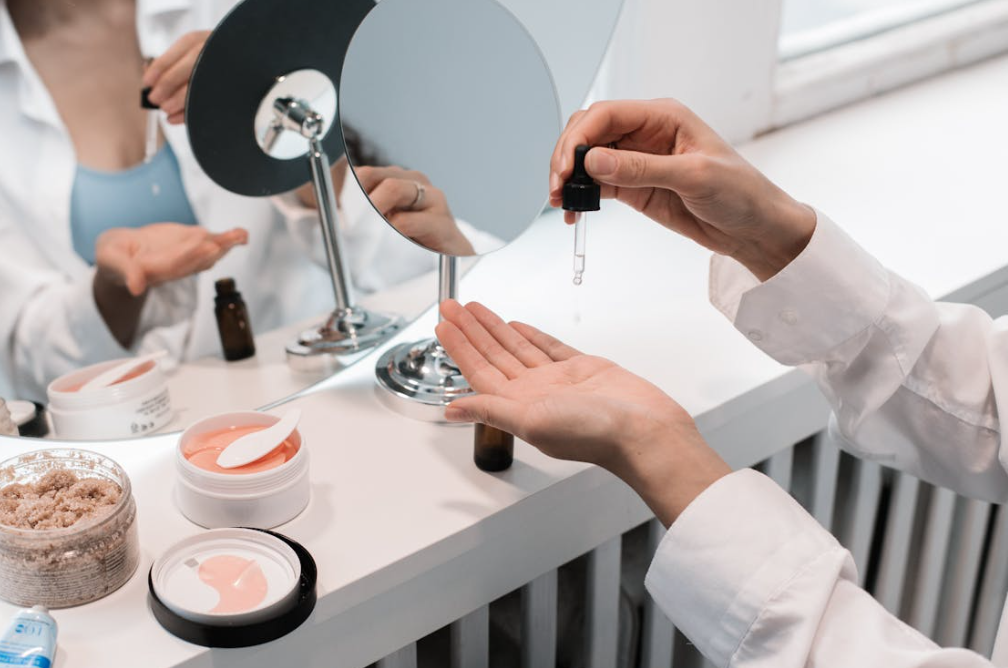
ODM and OEM manufacturing can create more differentiated products, but they usually require higher MOQ.
ODM means the manufacturer helps develop or customize a formula based on your concept. This may include changes to texture, active ingredients, fragrance, skin feel, claims, or packaging direction.
OEM means you provide the formula or technical specifications, and the factory manufactures according to your requirements.
These models often require higher MOQ because they involve more development work, raw material planning, sample revisions, stability testing, packaging compatibility checks, and production setup.
This does not mean startups should avoid ODM or OEM completely. It means you should use them strategically.
A practical path is:
Start with private label to test demand.
Use ODM for your hero product once you understand your customer.
Move into OEM when you own a formula and have stable sales volume.
For most startups, this staged approach is more financially realistic than trying to launch five fully custom products from day one.
What Drives MOQ in Skincare Manufacturing?
MOQ is not random. It is usually driven by several production realities.
Formula Batch Size
Manufacturing equipment has minimum batch requirements. A mixing tank may not work efficiently if the batch is too small. If the batch volume is below the equipment’s workable range, the formula may not mix, heat, cool, or homogenize correctly.
This is why creams, lotions, cleansers, and emulsions often have practical batch minimums.
Raw Material MOQ
Ingredients are not always purchased in tiny amounts. Some actives, botanical extracts, preservatives, fragrances, oils, surfactants, or specialty raw materials have supplier minimums.
If a custom ingredient can only be purchased in a large quantity, the manufacturer must either increase MOQ or charge a higher unit cost.
Packaging MOQ
Packaging often controls the real MOQ.
Bottles, jars, tubes, pumps, droppers, caps, labels, boxes, and cartons may all have separate minimums. Custom color bottles, custom molds, silk-screen printing, hot stamping, and special finishes can push MOQ much higher.
Many startups think the formula is the main issue, but packaging is often the bigger constraint.
Filling and Production Setup
Every production run requires setup, cleaning, calibration, filling line adjustment, inspection, and documentation. These fixed efforts do not disappear just because the order is small.
A 300-unit order can require many of the same preparation steps as a 3,000-unit order. That is why low MOQ usually means a higher unit price.
Testing and Compliance
Skincare products require quality checks and documentation. Depending on the product and market, this may include microbial testing, stability checks, compatibility testing, COA, MSDS/SDS, ingredient lists, and other compliance documents.
For regulated or higher-risk categories such as sunscreen, baby care, acne care, or strong active products, MOQ and lead time may increase.
Low MOQ vs Low Unit Cost: The Trade-Off
Low MOQ reduces upfront risk, but it usually increases unit cost.
This is one of the most important points for startups to understand.
A small production run may help you launch with less cash, but the cost per unit will usually be higher because production setup, labor, testing, and packaging costs are spread across fewer units.
For example:
| Order Size | Upfront Risk | Unit Cost | Best Use |
| 300 units | Low | High | Market testing |
| 500 units | Moderate | Moderate-high | Startup launch |
| 1,000 units | Moderate | Better | First serious campaign |
| 3,000 units | Higher | Lower | Proven product |
| 5,000+ units | High | Best | Scaling and retail |
The goal is not always to get the lowest MOQ. The goal is to choose the MOQ that gives you enough inventory to test properly while protecting cash flow.
If you order too little, you may run out of stock just as marketing begins to work. If you order too much, you may be stuck with products that need reformulation, repackaging, or repositioning.
The right MOQ balances learning, cash flow, margin, and growth.
Which Skincare Products Are Best for Low MOQ Launches?
Some product types are easier to launch with low MOQ than others.
Good low MOQ startup products often include:
- Face cleansers
- Toners
- Facial oils
- Basic serums
- Moisturizers
- Body lotions
- Hand creams
- Body oils
- Shampoos
- Conditioners
- Simple masks
These products are often easier to manufacture, package, and position.
More complex products may require higher MOQ, longer testing, or stricter compliance review. These include:
- Sunscreens
- Baby sunscreen
- Acne treatment products
- Whitening products
- Strong exfoliating formulas
- Hair growth products
- Products with drug-like claims
- Highly customized active formulas
- Products requiring custom packaging molds
This does not mean startups cannot launch these categories. It means you should plan more carefully and work with a manufacturer that understands the technical and regulatory requirements.
For example, baby and sunscreen products need extra attention to safety, claims, packaging, and market compliance. If this is your target category, review Sheleys’ baby care and baby sunscreen manufacturing pages before preparing your brief.
How to Reduce MOQ Without Creating Problems
Startups often ask manufacturers, “Can you lower the MOQ?” That is a fair question, but a better question is: “What is driving the MOQ, and how can we simplify the project?”
Here are practical ways to reduce MOQ.
Use Stock Formulas
Choosing a mature private label formula is the most effective way to lower MOQ. It avoids long R&D work and reduces formula uncertainty.
Use Stock Packaging
Custom packaging is attractive, but it often creates high MOQ. For a first launch, use stock bottles, jars, tubes, pumps, or droppers. You can still create brand differentiation through label design, carton design, product naming, positioning, and content.
Limit SKU Count
Do not launch too many products at once. A focused 1-3 SKU launch is usually better than a weak 8-SKU launch.
For example, a startup might begin with:
- One cleanser
- One serum
- One moisturizer
This creates a simple routine and keeps MOQ manageable.
Avoid Too Many Variations
Every fragrance, size, color, packaging format, or label version can increase complexity. Start with fewer variations and expand after sales data is clear.
Accept a Higher Unit Price
Low MOQ often requires a higher unit price. This is not automatically bad. Paying more per unit can be worth it if it reduces the risk of overstocking.
Choose a Manufacturer That Works With Startups
Not every factory is designed for low MOQ production. Some manufacturers only want large retail orders. Others are structured to support startup-friendly private label projects.
Sheleys positions its manufacturing service around flexible private label and OEM/ODM support for global brands. You can review its broader manufacturing capability on the Sheleys homepage.
What Startups Should Prepare Before Contacting a Manufacturer
Low MOQ projects move faster when the brand provides clear information.
Before contacting a skincare manufacturer, prepare:
- Product category
- Target market
- Target customer
- Preferred MOQ
- Budget range
- Packaging preference
- Formula direction
- Benchmark products
- Claims you want to make
- Target sales channel
- Launch timeline
- Compliance market, such as U.S., EU, UK, Australia, or Middle East
A weak inquiry says: “I want to make skincare. What is your MOQ?”
A strong inquiry says: “We are launching a 3-SKU sensitive skin line for the U.S. DTC market. We want a cleanser, serum, and moisturizer using stock or semi-custom formulas. Our preferred first order is 500 units per SKU, with stock packaging and clean, fragrance-free positioning.”
The second inquiry is easier for a manufacturer to quote accurately. It also makes you look like a serious buyer.
If you are ready to discuss a project, you can send your brief through the Sheleys contact page.
Common Low MOQ Mistakes to Avoid
Mistake 1: Choosing the Lowest MOQ Without Checking Margins
A very low MOQ can be useful, but if the unit cost is too high, your retail margin may not work. Always calculate landed cost, packaging cost, shipping, duties, fulfillment, platform fees, marketing cost, and expected gross margin.
Mistake 2: Customizing Too Much Too Early
Custom formula, custom bottle, custom fragrance, custom box, and multiple SKUs can turn a startup project into a high-MOQ project very quickly. Start focused.
Mistake 3: Ignoring Packaging MOQ
Many startups negotiate formula MOQ but forget packaging MOQ. Ask your manufacturer to separate formula MOQ, packaging MOQ, label MOQ, and carton MOQ.
Mistake 4: Ordering Too Little for a Real Launch
A tiny quantity may feel safe, but it may not be enough for product photography, influencer seeding, paid ads, samples, customer orders, replacements, and wholesale outreach.
A launch quantity should support your actual marketing plan.
Mistake 5: Not Planning Reorders
If your first batch sells well, how quickly can you reorder? Will packaging still be available? Will the formula stay the same? Can the manufacturer reserve records and repeat the batch consistently?
Low MOQ should be part of a scaling plan, not a one-time experiment.
How to Choose a Low MOQ Skincare Manufacturer
When evaluating low MOQ manufacturers, do not only ask for the smallest quantity. Ask whether the supplier can support quality, compliance, repeatability, and growth.
A good low MOQ skincare manufacturer should offer:
- Clear MOQ per SKU
- Private label formula options
- Stock packaging choices
- Sample support
- Transparent quotation
- R&D capability
- Batch quality control
- Stability and compatibility awareness
- Export documentation
- Responsive communication
- Ability to scale when orders grow
You should also ask whether they support the product categories you plan to launch. A manufacturer with experience across face care, body care, hair care, and baby care may be more useful if your brand plans to expand.
If your brand is choosing between suppliers in China, you may also want to read Sheleys’ guide on how to choose a skincare manufacturer in China.
Low MOQ Launch Strategy for Startups
A practical startup launch strategy is to begin with a focused product line and a clear market test.
For example:
Phase 1: Launch 1-3 private label SKUs with stock packaging.
Phase 2: Collect reviews, conversion data, repeat purchase data, and customer feedback.
Phase 3: Improve packaging, claims, bundle strategy, and content.
Phase 4: Reorder proven SKUs at higher quantity for better unit cost.
Phase 5: Develop one custom ODM hero product once demand is validated.
This strategy keeps your first launch lean without trapping your brand in generic products forever.
Low MOQ is not the final destination. It is a way to enter the market intelligently.
Final Thoughts
Low MOQ skincare manufacturing gives startups a practical way to launch, test, and improve without taking on unnecessary inventory risk.
The best approach is to keep your first project focused: choose a proven formula, use stock packaging, limit SKU count, avoid over-customization, and work with a manufacturer that understands startup-stage needs.
As your brand grows, you can increase order quantities, improve margins, develop custom formulas, and build a more differentiated product line.
If you are looking for a low MOQ skincare manufacturer for private label, ODM, or OEM projects, Sheleys can help you evaluate the right launch path based on your product category, target market, MOQ, packaging needs, and timeline.
Explore Sheleys’ private label skincare manufacturing services, review the MOQ guide, or contact Sheleys to discuss your startup skincare project.
FAQ: Low MOQ Skincare Manufacturing
What is low MOQ skincare manufacturing?
Low MOQ skincare manufacturing means producing skincare products in smaller minimum quantities than standard production runs. It helps startups reduce upfront inventory risk and test demand before scaling.
What is a good MOQ for a skincare startup?
A practical startup MOQ is often 300-1,000 units per SKU, depending on the product type, packaging, and manufacturing model. Some private label projects may be possible at lower quantities, but unit cost is usually higher.
Can I launch a skincare brand with 500 units?
Yes. A 500-unit launch can be realistic for a focused private label product, especially if you use a stock formula and stock packaging. It may not be enough for a large retail launch, but it can work well for testing online sales, influencer seeding, or a first DTC campaign.
Why is custom skincare MOQ higher than private label MOQ?
Custom skincare requires more R&D, raw material sourcing, sample revisions, testing, and production setup. Private label formulas already exist, so they are usually easier to produce at lower MOQ.
Does low MOQ mean low quality?
No. Low MOQ does not have to mean low quality. Quality depends on formula stability, raw materials, manufacturing standards, packaging compatibility, testing, and quality control. However, low MOQ usually means higher unit cost.
What is the easiest skincare product to start with?
Cleansers, moisturizers, facial oils, basic serums, body lotions, hand creams, shampoos, and conditioners are often easier for low MOQ launches. Sunscreens, baby sunscreen, acne products, and strong active formulas may require more testing and higher MOQ.
Can I use custom packaging with low MOQ?
Sometimes, but custom packaging usually raises MOQ. For startup launches, stock packaging with custom labels or boxes is usually more practical.
How can I reduce MOQ?
Use stock formulas, choose stock packaging, limit SKU count, avoid unnecessary variations, and work with a manufacturer that supports startup-friendly private label production.
Is low MOQ private label good for Amazon sellers?
Yes. Low MOQ private label can be useful for Amazon sellers because it allows product testing before committing to large inventory. Sellers should still calculate unit cost, Amazon fees, fulfillment cost, advertising cost, and expected margin.
How do I start a low MOQ skincare project with Sheleys?
Prepare your product category, target market, preferred MOQ, packaging idea, formula direction, claims, and timeline. Then send the project brief through the Sheleys contact page.