In the skincare manufacturing world, two terms show up constantly: Private Label Skincare and OEM Skincare. At first glance, they sound interchangeable. In practice, they are not. And misunderstanding them can lead to wasted budget, mismatched expectations, or a product line that doesn’t scale the way you planned.
For brands working with manufacturers like Sheleys in Guangzhou, China, knowing the distinction is not just technical—it directly shapes your speed to market, product uniqueness, and long-term brand value.
Understanding the Basics: Why These Terms Matter
Before comparing them, it helps to understand the foundation.
Both models sit under the broader umbrella of outsourced skincare manufacturing, where a factory produces products that are sold under your brand name.
According to industry definitions, skincare private label refers to ready-made formulations produced by a factory and branded by a company, while OEM involves more customized development based on brand requirements.
OEM manufacturing is typically positioned as a “custom build” approach, where brands define ingredients, formula direction, and sometimes packaging from the ground up.
Private label, on the other hand, is closer to selecting from existing formulas and applying your branding.
What Is Private Label Skincare?
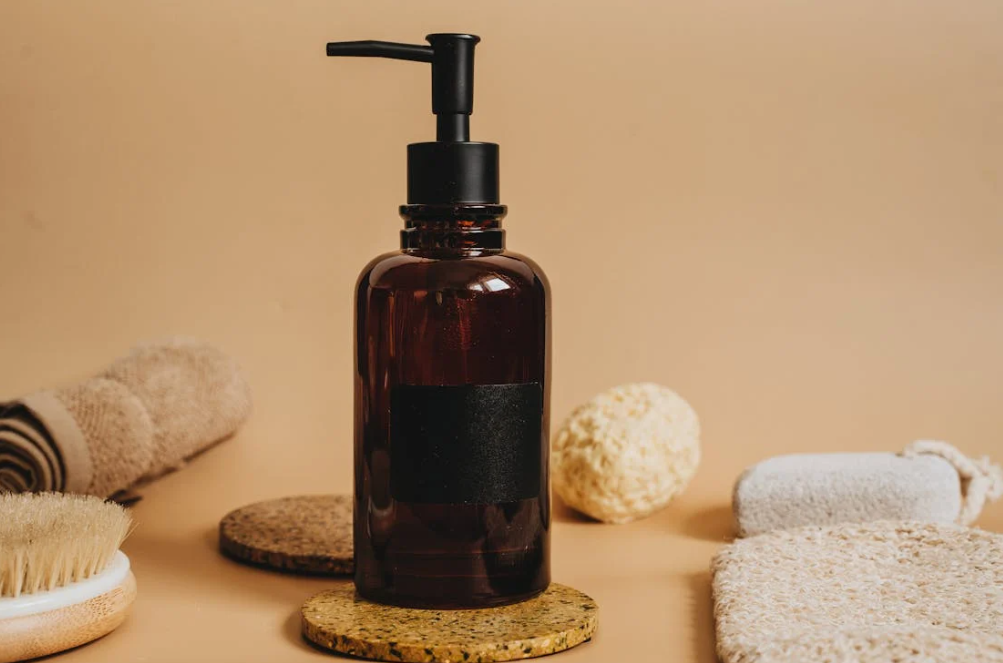
Private label skincare is the faster, more streamlined entry point into the beauty market.
In this model, a manufacturer already has a catalogue of tested formulas—serums, creams, cleansers, masks—and you choose from them. Then you customize packaging, branding, and sometimes fragrance or minor ingredient tweaks.
Think of it as: “Choose → Brand → Launch.”
Key characteristics
- Pre-developed, stable formulations
- Limited customization
- Faster production cycles
- Lower development cost
- Lower minimum order quantities (MOQs)
Because the formulas already exist, brands can move quickly. Many suppliers highlight launch timelines as short as a few weeks rather than months.
Best for:
- Startups testing the skincare market
- E-commerce brands needing fast SKUs
- Influencers launching first product lines
- Companies prioritizing speed over exclusivity
What Is OEM Skincare?
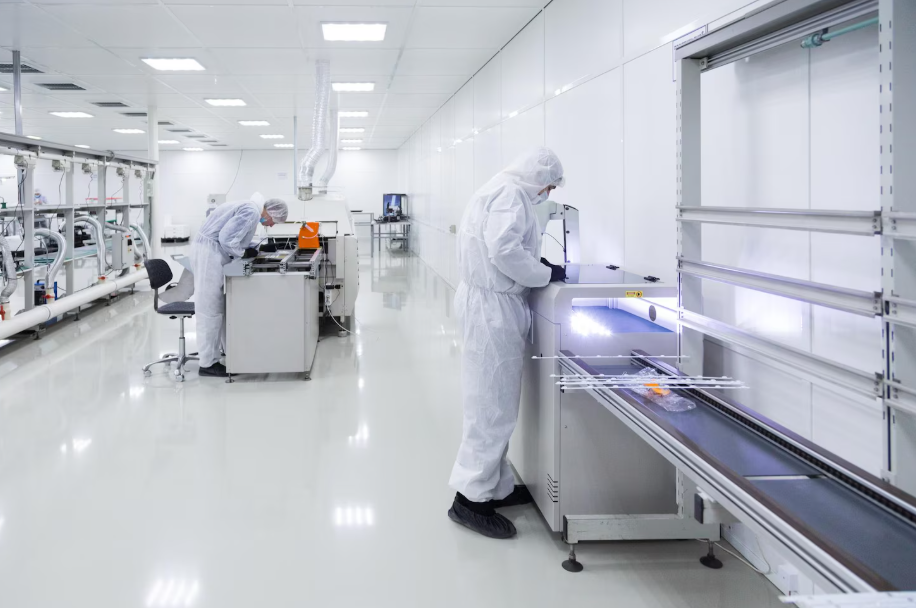
OEM (Original Equipment Manufacturer) skincare is a more advanced and collaborative process.
Here, the brand plays a much deeper role in product development. You define the direction—skin concerns, texture, active ingredients, performance targets—and the manufacturer develops a custom formula based on your brief.
Think of it as: “Build → Test → Refine → Launch.”
Key characteristics
- Fully customized formulations
- Higher level of technical involvement
- Longer development timeline
- Higher R&D and testing requirements
- Greater product uniqueness
OEM is often described as a “custom build” model where brands specify ingredients and performance expectations directly to the factory.
In many cases, OEM products require stability testing, lab iterations, and compliance validation before mass production.
Best for:
- Established skincare brands
- Companies building hero products or flagship lines
- Brands targeting specific dermatological concerns
- Businesses focused on long-term differentiation
Core Differences Between Private Label and OEM Skincare
Although both allow you to sell under your own brand, the strategic differences are significant.
Level of customization
Private label = limited
OEM = full control
Private label uses pre-existing formulas. OEM allows full formulation development, including actives, texture, and performance tuning.
Speed to market
Private label = fast
OEM = slower
Private label products can often be launched in weeks. OEM development may take months due to formulation testing and adjustments.
Cost structure
Private label = lower upfront cost
OEM = higher investment
OEM requires R&D, lab work, and sometimes multiple sampling rounds. Private label reduces these costs significantly by using ready-made formulas.
Brand uniqueness
Private label = shared formulas in market
OEM = exclusive formulations
OEM gives stronger differentiation because your formula is not typically sold to multiple brands.
Risk level
Private label = lower risk
OEM = higher risk, higher reward
Private label reduces uncertainty since formulas are already tested. OEM involves more experimentation but offers stronger long-term brand equity.
Side-by-Side Comparison (Simple View)
| Factor | Private Label Skincare | OEM Skincare |
| Formula | Pre-made | Fully custom |
| Speed | Fast | Slower |
| Cost | Lower | Higher |
| Customization | Limited | High |
| Brand uniqueness | Moderate | Strong |
| Best for | Startups | Established brands |
Which One Should You Choose?
This is where most brands hesitate—but the decision usually comes down to business stage, not preference.
- If your goal is fast market entry and testing demand, private label is the practical choice.
- If your goal is building a long-term skincare brand with proprietary formulas, OEM is the stronger path.
Many successful brands actually start with private label, then transition into OEM once they understand their market and customer needs better.
There’s no “better” option universally—only a better fit for your current stage.
A Real-World Perspective from Manufacturing
In practice, manufacturers often see a hybrid approach:
Brands begin with private label to validate sales, then invest in OEM once they identify winning products worth customizing.
This staged approach reduces early risk while still leaving room for innovation later.
For suppliers like Sheleys, both models are commonly used depending on client maturity and market strategy.
Short Conclusion
Private label skincare is about speed and simplicity. OEM skincare is about control and differentiation. One gets you to market quickly; the other builds deeper brand identity. The smartest choice depends less on the model itself and more on where your brand is in its journey.
FAQs
Is OEM more expensive than private label?
Yes, OEM usually costs more due to custom formulation and R&D work.
Can I switch from private label to OEM later?
Yes, many brands start with private label and upgrade to OEM over time.
Which is faster to launch?
Private label is significantly faster than OEM.
Do private label products look identical across brands?
They can be similar because formulas are often shared or slightly modified.
Which option is better for beginners?
Private label is usually better for beginners testing the market.