The idea of sourcing beauty products from China used to be simple: find a factory, negotiate a price, and place an order. In 2026, that playbook feels outdated. The stakes are higher, regulations are tighter, and the market—well, it’s far more sophisticated than it was even five years ago.
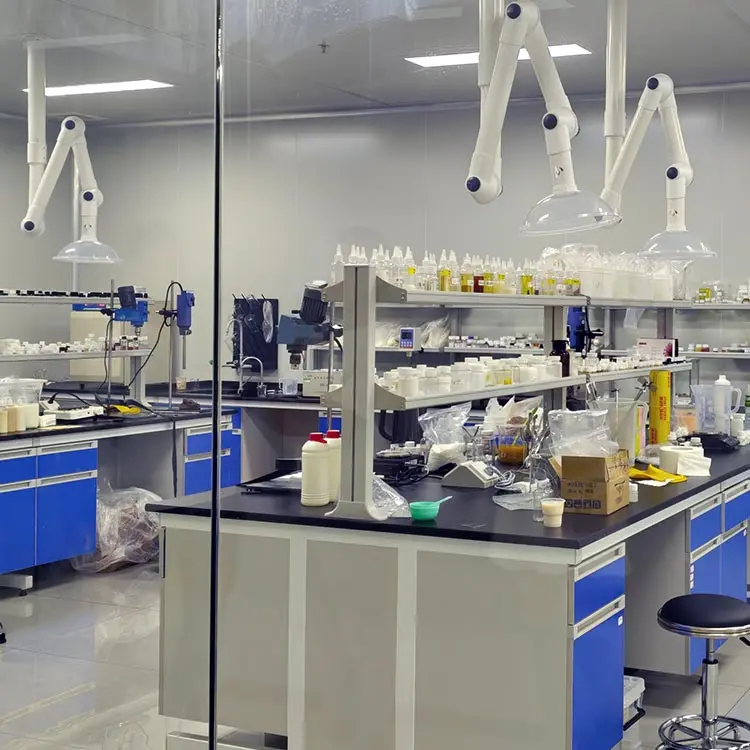
China still dominates global cosmetics manufacturing, producing a significant share of the world’s beauty products with unmatched scale and efficiency . But choosing the right supplier today isn’t just about cost—it’s about compliance, innovation, transparency, and long-term partnership.
This guide walks you through what actually matters when evaluating a China beauty product supplier in 2026—without the fluff.
The New Reality of Sourcing Beauty Products from China
Let’s start with context.
China’s cosmetics industry is no longer just a “low-cost manufacturing hub.” It has evolved into a high-tech, innovation-driven ecosystem with over 5,000 manufacturers and a market size exceeding $80 billion .
At the same time, global scrutiny has intensified. Regulatory bodies—especially in Europe and North America—are enforcing stricter safety and compliance rules. In fact, recent reports suggest that a large percentage of imported products fail to meet compliance standards, triggering new penalties and oversight measures .
So, what does this mean for you?
Simple: choosing the wrong supplier is no longer just a quality risk—it’s a legal and financial one.
Regulatory Compliance Is Non-Negotiable
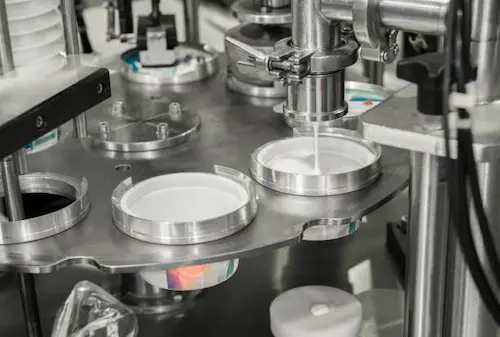
If there’s one thing you cannot compromise on in 2026, it’s compliance.
A reliable Chinese beauty supplier should meet both domestic and international regulations, including:
- China’s Cosmetics Supervision and Administration Regulations (CSAR)
- ISO 22716 (cosmetic GMP)
- FDA or EU cosmetic regulations (depending on your market)
- Ingredient safety and efficacy documentation
Chinese law now requires manufacturers to provide safety assessments, product filings, and proof of efficacy claims before products can enter the market .
And here’s the catch: your supplier isn’t the only one responsible—you are too.
What to check:
- Do they provide full regulatory documentation?
- Can they support EU/US compliance?
- Do they understand cross-border requirements?
If the answer is vague, walk away.
Quality Control Systems That Go Beyond “We Check Everything”
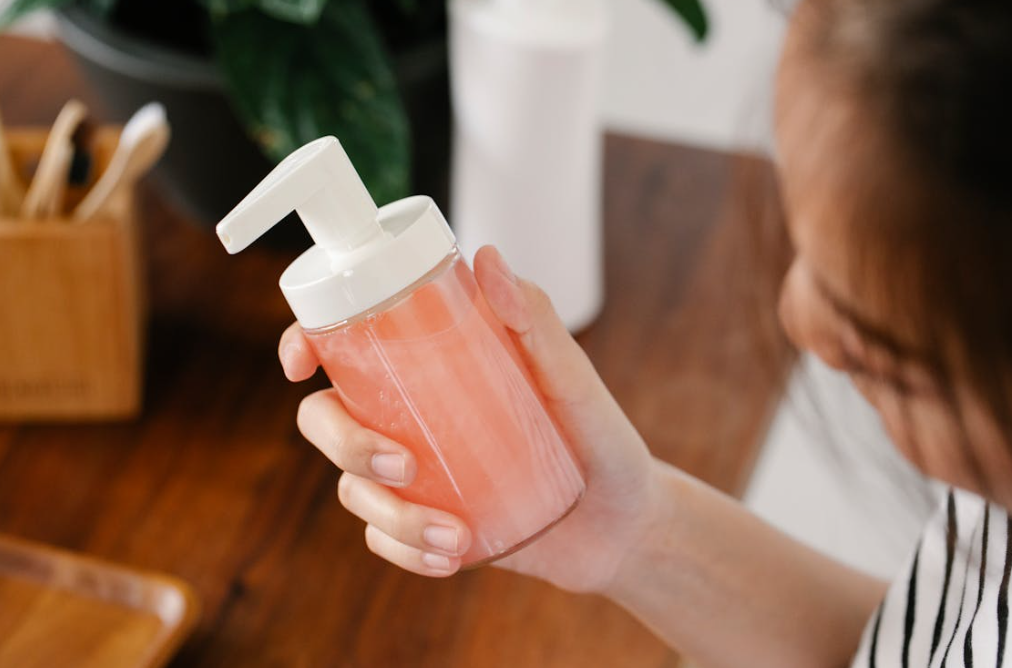
Every supplier will tell you they have quality control. That means very little.
What you’re looking for instead is structured, verifiable quality systems, such as:
- GMP-certified production lines
- Raw material traceability
- Batch testing and retention samples
- Third-party lab testing
Top-tier manufacturers in China operate under rigorous frameworks like ISO and GMP, ensuring consistency from raw materials to finished packaging .
In 2026, many factories are also adopting AI-driven quality inspection systems, reducing human error and improving consistency across large production runs .
Red flag: If a supplier cannot clearly explain their QC workflow step-by-step, they likely don’t have one.
R&D and Custom Formulation Capabilities
The beauty market today is crowded—painfully crowded.
If your supplier can only offer stock formulas, you’re already behind.
Modern consumers want:
- Clean beauty
- Functional skincare
- Personalized formulations
In fact, around 72% of consumers are willing to pay more for customized beauty products in 2026 .
A strong supplier should offer:
- In-house R&D labs
- Ingredient innovation support
- Custom formulation development
- Trend forecasting insights
This is where the gap between average and top-tier suppliers becomes obvious.
Transparency in Ingredients and Sourcing
Ingredient transparency is no longer a marketing bonus—it’s expected.
With rising concerns around sustainability, safety, and ethical sourcing, brands must know exactly what goes into their products.
And it’s getting more complicated.
Global supply chains are facing disruptions due to tariffs and raw material volatility, pushing brands to rethink sourcing strategies and ingredient selection .
What to ask your supplier:
- Where are your raw materials sourced from?
- Can you provide INCI lists and MSDS documents?
- Do you offer natural or biotech alternatives?
The best suppliers won’t hesitate—they’ll already have this information ready.
Production Capacity and Scalability
A supplier that works for your first 1,000 units might fail you at 100,000.
China’s advantage lies in scale—but not every factory is built for it.
Typical cost structures show that raw materials, packaging, and labor make up the majority of production expenses, meaning efficiency improves significantly at higher volumes .
Evaluate:
- Monthly production capacity
- Lead times (and how they change with scale)
- Ability to handle peak demand
Also, ask a slightly uncomfortable question:
“What happens if my order doubles next quarter?”
Their answer will tell you everything.
Communication and Cultural Alignment
This one is underrated—but critical.
Many sourcing failures don’t come from bad factories, but from bad communication.
Common issues include:
- Misunderstood specifications
- Delayed responses
- Lack of proactive updates
Even experienced buyers on forums emphasize the importance of on-site visits and local support to truly understand a supplier’s operations and reliability.
“Check certifications, but also production schedules… it shows how they really operate.”
Look for:
- English-speaking account managers
- Fast, clear communication
- Willingness to clarify details
If communication is messy early on, it won’t magically improve later.
Certifications and Audit Readiness
Certifications are not just paperwork—they’re proof of operational maturity.
Key certifications to look for:
- ISO 22716 (Cosmetics GMP)
- ISO 9001 (Quality Management)
- BSCI / Sedex (ethical compliance)
- FDA / CE (for export markets)
Also, ask if they support:
- Third-party audits
- Factory inspections
- Pre-shipment inspections
Suppliers who hesitate here often have something to hide.
Sustainability and ESG Practices
In 2026, sustainability isn’t optional—it’s expected.
From eco-friendly packaging to carbon-conscious manufacturing, brands are under pressure to prove their environmental responsibility.
China’s leading manufacturers are already investing in:
- Smart factories with energy optimization
- Reduced emissions and waste
- Sustainable ingredient alternatives
At the same time, ESG expectations are rising globally, pushing companies to adopt better traceability and ethical sourcing practices.
Ask your supplier:
- Do you offer recyclable or biodegradable packaging?
- How do you handle waste and emissions?
- Can you support sustainability claims?
Pricing Structure: Cheap vs. Smart Costing
Yes, China is cost-effective—but chasing the lowest price is still the fastest way to fail.
Typical cost breakdowns show:
- Raw materials: 30–40%
- Packaging: 20–25%
- Labor: 15–20%
If a quote is dramatically lower than others, something is being cut—usually quality or compliance.
Instead, focus on:
- Transparent pricing
- Clear MOQ requirements
- Long-term cost optimization
Good suppliers help you reduce costs intelligently—not recklessly.
Ability to Support OEM, ODM, or Private Label
Finally, understand what kind of partner you actually need.
- OEM (Original Equipment Manufacturer): You provide the formula and concept
- ODM (Original Design Manufacturer): Supplier provides ready-made solutions
- Private Label: Fastest route using existing formulations
Each model has pros and cons depending on your brand goals.
In 2026, private label is booming as a fast, cost-effective entry strategy, while OEM/ODM is preferred for differentiation and brand building .
A strong supplier should offer flexibility across all three.
A Short Reality Check
Here’s the truth most guides won’t tell you:
There is no “perfect supplier.”
There are only suppliers that fit your:
- Budget
- Brand positioning
- Growth stage
The goal isn’t perfection—it’s alignment.
Conclusion
Choosing a China beauty product supplier in 2026 requires a sharper eye than ever before.
It’s no longer just about manufacturing—it’s about partnership, compliance, innovation, and trust.
The best suppliers will:
- Speak your language (literally and operationally)
- Think long-term
- Help you grow—not just produce
If you find one like that, don’t just place an order—build a relationship.
FAQs
Is it still safe to source cosmetics from China in 2026?
Yes—if you choose a compliant and certified supplier. The industry has strong quality systems, but due diligence is essential.
What certifications should a reliable supplier have?
At minimum: ISO 22716 (GMP), ISO 9001, and relevant export certifications like FDA or CE.
What is the typical MOQ for beauty products?
It varies, but most suppliers require 1,000–5,000 units depending on customization.
How long does production usually take?
Generally 30–60 days, depending on complexity and order size.
Should I visit the factory before placing an order?
If possible, yes. Factory visits or third-party inspections significantly reduce risk.