Walk down any skincare aisle and you’ll notice a pattern: labels promise “repair,” “barrier recovery,” “brightening,” and “even tone.” But flip the bottle over, and the ingredient list reads like a chemistry exam. Somewhere between Aqua, Ceramide NP, and Niacinamide, most people stop reading.
That’s a missed opportunity.
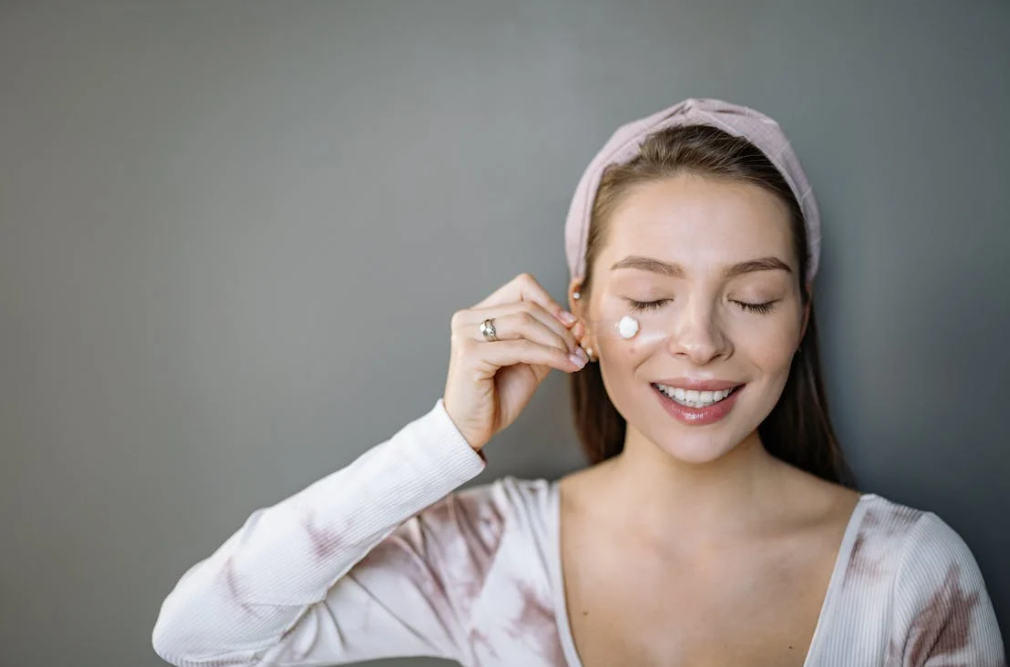
Because face repair creams are not magic—they’re systems. Carefully built combinations of humectants, lipids, actives, and soothing agents working together to restore skin function, not just mask problems. Once you understand what’s inside, you stop buying hype and start choosing results.
This guide breaks down the key ingredients commonly found in modern face repair creams—what they do, how they work together, and why they matter if your goal is radiant, even-toned skin.
Understanding “Skin Repair”: It’s Not What You Think
Before diving into ingredients, let’s clear up a common misconception: skincare doesn’t “repair” skin the way medicine repairs a broken bone.
What it does do is:
- Strengthen the skin barrier
- Reduce inflammation
- Improve hydration balance
- Support cell turnover
- Minimize visible damage (pigmentation, fine lines, dullness)
Healthy skin isn’t about one miracle ingredient. It’s about restoring function. And that’s where formulation matters.
The Core Structure of Face Repair Creams

Most effective repair creams follow a three-layer strategy:
- Hydrate (water-binding ingredients)
- Repair (barrier-supporting lipids and actives)
- Protect (occlusives and antioxidants)
Let’s unpack the ingredients that power each layer.
Hydration Drivers: The First Step to Radiance
Hyaluronic Acid: The Water Magnet
Hyaluronic acid is often the first ingredient people recognize—and for good reason.
- It can hold up to 1,000 times its weight in water
- Acts as a humectant, pulling moisture into the skin
- Creates a plumping effect that softens fine lines
Think of it as the “hydration engine.” Without it (or similar humectants), even the best cream will feel flat.
But hydration alone isn’t enough. If water evaporates, your skin ends up dry again. That’s why repair creams always pair hyaluronic acid with barrier ingredients.
Glycerin: The Quiet Workhorse
Often overlooked, glycerin is one of the most effective moisturizing ingredients ever studied.
- Attracts water from the environment and deeper skin layers
- Improves skin elasticity
- Enhances the performance of other actives
It’s not glamorous—but it’s foundational.
Barrier Repair Ingredients: The Real Game-Changers

If hydration is step one, barrier repair is where real transformation happens.
Ceramides: The “Skin Glue”
Ceramides are lipids naturally found in your skin—making up nearly 50% of the outer layer .
Their job?
- Seal moisture into the skin
- Protect against pollutants and irritants
- Prevent transepidermal water loss (TEWL)
When ceramide levels drop (due to aging, stress, or over-exfoliation), skin becomes:
- Dry
- Sensitive
- Uneven in tone
Adding ceramides back into skincare helps rebuild the skin’s structure—literally reinforcing the “brick-and-mortar” system.
Cholesterol & Fatty Acids: The Missing Partners
Ceramides rarely work alone.
Effective repair creams often include:
- Cholesterol
- Fatty acids
Together, they mimic the skin’s natural lipid matrix. This synergy dramatically improves barrier recovery and long-term hydration.
Panthenol (Provitamin B5): The Soother
Panthenol sits at the intersection of hydration and repair:
- Acts as a humectant
- Reduces inflammation
- Accelerates skin recovery
It’s especially valuable for irritated or compromised skin.
Tone-Correcting Actives: The Brightening Layer
Radiant, even skin tone requires more than hydration—it requires control over pigmentation and inflammation.
Niacinamide (Vitamin B3): The Multi-Tasking Powerhouse
Niacinamide is one of the most researched skincare ingredients available—and for good reason.
Clinically supported benefits include:
- Reducing hyperpigmentation
- Strengthening the skin barrier
- Regulating oil production
- Minimizing pores and redness
It also boosts ceramide production, reinforcing the skin from within.
Unlike harsher actives, niacinamide works gradually and gently—which makes it ideal for long-term repair strategies.
Vitamin C (Ascorbic Acid & Derivatives)
Vitamin C is often included for its brightening and antioxidant effects:
- Neutralizes free radicals
- Promotes collagen production
- Helps fade dark spots
While powerful, it can be unstable—so many creams use stabilized derivatives instead.
Alpha Arbutin & Licorice Extract
These ingredients target uneven tone by:
- Inhibiting melanin production
- Reducing discoloration over time
They’re often used in combination with niacinamide for layered brightening.
Skin-Soothing Agents: Reducing Inflammation
Inflammation is one of the biggest contributors to uneven skin tone and premature aging.
Allantoin
- Calms irritation
- Supports wound healing
- Softens rough skin
Colloidal Oatmeal
- Reduces redness and itching
- Strengthens the barrier
- Ideal for sensitive or eczema-prone skin
Aloe Vera
- Hydrates and soothes
- Provides mild anti-inflammatory benefits
These ingredients don’t just make skin feel better—they prevent long-term damage.
Anti-Aging & Repair Boosters
Peptides: The Signal Molecules
Peptides tell your skin to produce more collagen and elastin.
- Improve firmness
- Reduce fine lines
- Enhance overall skin resilience
They’re especially valuable in repair creams targeting aging skin.
Growth Factors (Advanced Formulations)
Found in high-end or medical-grade products, growth factors:
- Stimulate cell regeneration
- Accelerate repair processes
These are typically used in professional or clinical skincare lines.
Antioxidants: The Invisible Shield
Environmental stress (pollution, UV exposure) constantly damages skin.
Antioxidants help counteract that damage.
Vitamin E (Tocopherol)
- Protects against oxidative stress
- Enhances hydration
Green Tea Extract
- Anti-inflammatory
- Helps reduce redness and irritation
These ingredients act like a protective buffer, preserving the results created by other actives.
Occlusives: Locking Everything In
All the hydration and repair in the world won’t matter if moisture escapes.
That’s where occlusives come in.
Common examples:
- Shea butter
- Squalane
- Dimethicone
They form a protective layer on the skin, preventing water loss and sealing in active ingredients.
How These Ingredients Work Together (The Real Secret)
Here’s where formulation becomes powerful.
A well-designed face repair cream doesn’t rely on a single hero ingredient. Instead, it builds a system:
- Hyaluronic acid draws in water
- Niacinamide improves skin function
- Ceramides lock in hydration
- Antioxidants protect
- Soothing agents reduce irritation
This layered approach creates:
- Long-lasting hydration
- Improved skin texture
- Reduced discoloration
- Stronger, more resilient skin
In other words: real repair.
What to Look for on an Ingredient Label
If you’re sourcing or formulating (especially for B2B skincare brands), here’s a practical checklist:
High-Performance Core:
- Niacinamide (2–5%)
- Ceramides (NP, AP, EOP)
- Hyaluronic acid
Supporting System:
- Glycerin
- Panthenol
- Cholesterol
Enhancement Layer:
- Peptides or antioxidants
- Brightening agents (Vitamin C, arbutin)
Avoid Overload:
- Too many actives = irritation
- Fragrance-heavy formulas = potential sensitivity
Balance always wins.
The “Human Factor”: Why Some Creams Still Fail
Even with the right ingredients, not all creams perform equally.
Why?
- Poor ingredient concentrations
- Weak formulation stability
- Lack of synergy between ingredients
A cream with niacinamide at 0.1% won’t deliver meaningful results. A formula without occlusives won’t retain hydration.
The difference between average and excellent lies in formulation—not just ingredients.
Conclusion
Face repair creams are less about quick fixes and more about restoring balance.
At their best, they function like a well-coordinated system:
- Hydrate deeply
- Repair the barrier
- Brighten uneven tone
- Protect against future damage
The real takeaway? Radiant skin doesn’t come from chasing trends. It comes from understanding what your skin needs—and choosing ingredients that actually deliver.
FAQs
What is the most important ingredient in a face repair cream?
There isn’t just one. A combination of ceramides, niacinamide, and hyaluronic acid delivers the best overall results.
Can face repair creams lighten skin tone?
They don’t “bleach” skin, but ingredients like niacinamide and vitamin C can reduce dark spots and even out tone.
Are repair creams suitable for sensitive skin?
Yes—especially those with ceramides, panthenol, and minimal fragrance.
How long does it take to see results?
Most users notice improvements in 2–4 weeks, with more visible changes after 6–8 weeks.
Can I use a repair cream every day?
Yes. Most are designed for daily use, both morning and night.