If you are planning to launch a skincare brand, one of the first decisions you need to make is not your logo, packaging color, or Instagram strategy. It is your manufacturing model.
Should you choose private label skincare? Should you work with an ODM skincare manufacturer? Or do you need full OEM cosmetic manufacturing?
These three models are often used interchangeably, but they are not the same. Each one affects your launch speed, cost, minimum order quantity, formula ownership, packaging flexibility, compliance work, and long-term brand differentiation.
At Sheleys, we support beauty brands through multiple manufacturing paths, from fast private label launches to custom ODM skincare development and full contract manufacturing. If you are still comparing your options, this guide will help you understand which model fits your stage, budget, and brand strategy.
Quick Answer: What Is the Difference Between Private Label, ODM, and OEM Skincare?
Private label skincare is the fastest way to launch. You choose an existing, pre-tested formula from a manufacturer, customize the branding and packaging, and sell it under your own brand name.
ODM skincare means the manufacturer helps design and develop a formula based on your product concept, target market, texture preference, active ingredients, or benchmark product.
OEM skincare means you provide the formula, specifications, or technical requirements, and the manufacturer produces the product according to your instructions.
In simple terms:
| Model | Best For | Formula Ownership | Speed | Customization |
| Private Label | Startups, spas, Amazon sellers, influencers | Manufacturer’s existing formula | Fastest | Low to medium |
| ODM | Growing brands, DTC brands, niche skincare lines | Usually exclusive or semi-exclusive depending on agreement | Medium | Medium to high |
| OEM | Established brands, retailers, clinical brands | Brand-provided formula or IP | Slower | Highest |
If your goal is to launch quickly with lower risk, start with private label skincare manufacturing. If your goal is to build a differentiated product line, ODM may be the better path. If you already own a formula and need a qualified factory to scale production, OEM is usually the right model.
What Is Private Label Skincare?
Private label skincare is a manufacturing model where a factory provides ready-developed formulas that can be branded and packaged for your company.
For example, you may choose a hydrating face serum, a barrier repair cream, a brightening cleanser, or a body lotion from the manufacturer’s existing formula library. The formula has already gone through basic development and stability screening. Your role is to select the product, decide packaging, prepare label artwork, and position it for your market.
This model is common for new beauty brands because it reduces development time and technical risk.
At Sheleys, private label is often suitable for brands that want to launch quickly across categories such as face care, body care, hair care, and baby care.
Advantages of Private Label Skincare
The biggest advantage is speed. Since the formula already exists, you do not need to spend months developing a product from zero. This can reduce launch time significantly.
Private label skincare also usually has a lower minimum order quantity than fully custom projects. For a startup or testing-stage brand, this matters. You can validate product-market fit before committing to large production volumes.
Another advantage is lower formulation risk. A mature base formula has usually been tested for basic stability, texture, and manufacturing feasibility. That does not remove the need for compliance review in your target market, but it gives you a stronger starting point than an untested concept.
Limitations of Private Label Skincare
The main limitation is differentiation. Other brands may use the same or similar base formula unless exclusivity is negotiated.
You also have less freedom to change the texture, active level, fragrance, skin feel, or performance profile. Some adjustments may be possible, but major changes can turn a private label project into an ODM project.
Private label is a strong choice when you want speed, lower MOQ, and reduced development complexity. It is less ideal when your brand promise depends on a highly unique formula.
What Is ODM Skincare Manufacturing?
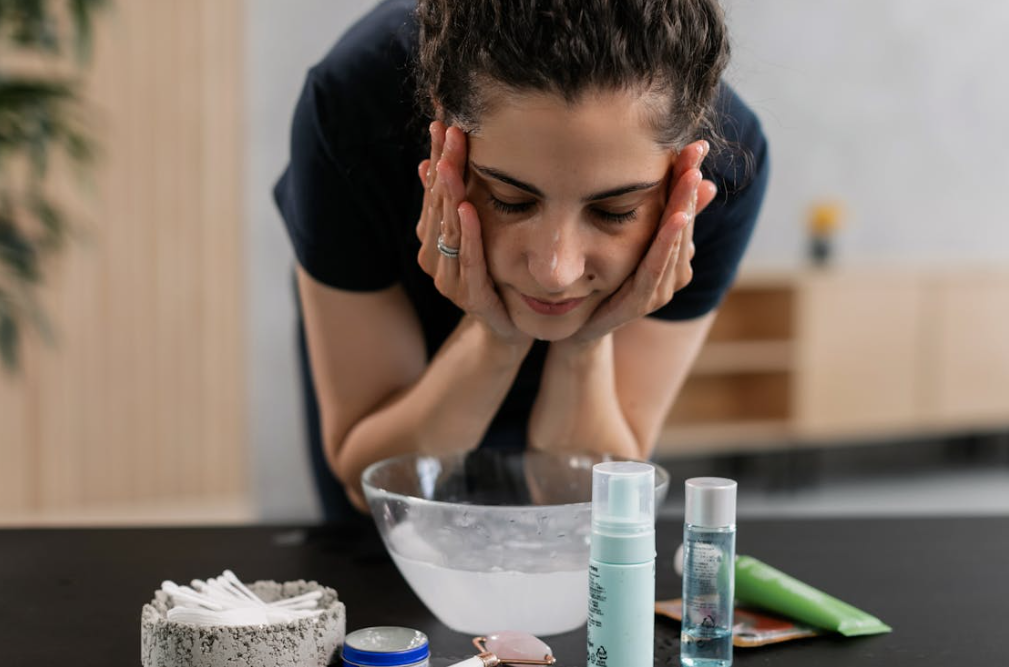
ODM stands for Original Design Manufacturing. In skincare, ODM means the manufacturer helps design, formulate, and develop a product based on your idea.
You may come to the manufacturer with a concept such as:
A lightweight ceramide gel cream for sensitive skin
A non-greasy SPF product for babies
A rosemary scalp serum for haircare brands
A body brightening lotion for humid climates
A modern herbal skincare line inspired by traditional botanicals
The ODM manufacturer then helps translate that concept into a practical formula, packaging direction, sample, test plan, and production process.
For example, if your brand wants to develop a specialized baby sunscreen, ODM allows you to define the positioning, texture, SPF target, mineral filter preference, fragrance-free requirement, packaging format, and compliance direction before moving into samples.
Advantages of ODM Skincare
ODM gives your brand more differentiation than private label. You can create a signature product that better matches your audience, price point, claim strategy, and sensory expectations.
It also gives you access to the manufacturer’s R&D experience. A good ODM skincare manufacturer understands ingredient compatibility, emulsion stability, preservative systems, packaging compatibility, production scalability, and market trends.
ODM is especially useful when you have a clear product idea but do not have your own cosmetic chemist or technical team.
Limitations of ODM Skincare
ODM takes longer than private label. You need time for briefing, sample development, feedback rounds, stability testing, packaging confirmation, and final approval.
It also usually requires a higher MOQ than standard private label because the factory must invest more R&D and production resources.
Formula ownership should be clarified before the project begins. Some ODM formulas are exclusive to one client. Others are customized from a base formula but not fully owned by the brand. This depends on the agreement, development fee, and level of customization.
What Is OEM Skincare Manufacturing?
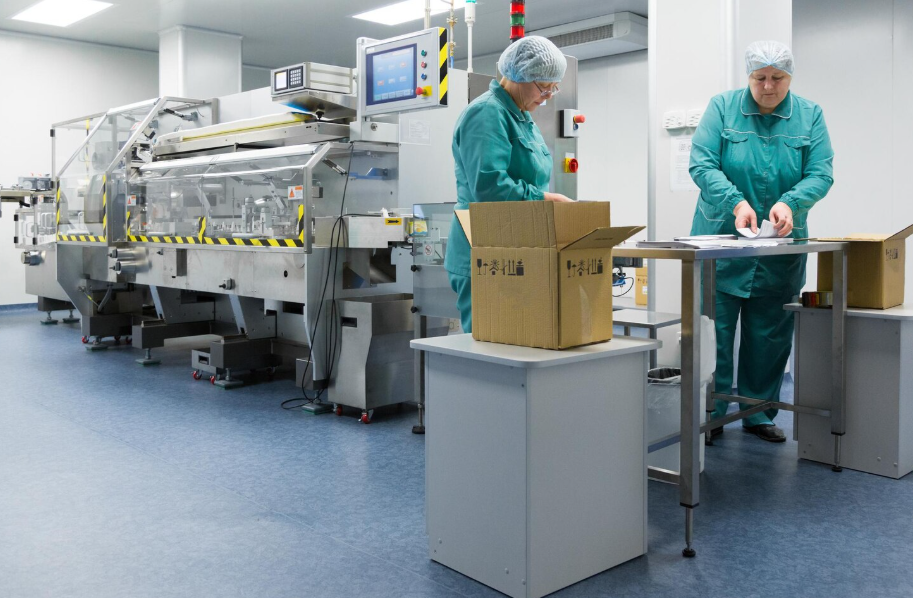
OEM stands for Original Equipment Manufacturing. In skincare, OEM usually means the brand provides the formula, technical specifications, benchmark, ingredient requirements, or complete product development files, and the factory manufactures according to those requirements.
OEM is common for established companies that already have:
- A finished formula
- A cosmetic chemist or product development team
- A previous manufacturer they want to replace
- A retailer specification
- A clinical or professional skincare concept
- A brand-owned intellectual property portfolio
In this model, the factory’s job is to reproduce, scale, fill, pack, and document the product consistently.
Advantages of OEM Skincare
OEM gives the brand the highest control. You decide the formula, ingredients, specifications, performance standards, packaging components, testing requirements, and production details.
This model is suitable when product uniqueness and IP ownership are central to the business.
OEM can also be useful when an established brand wants to move production to a new factory while keeping the same formula and product identity.
Limitations of OEM Skincare
OEM requires stronger technical preparation from the brand side. If your formula is incomplete, unstable, or difficult to scale, the project can become slow and expensive.
The factory may need to run pilot batches, adjust processing parameters, review raw material availability, and test packaging compatibility before mass production.
OEM is not usually the best choice for first-time founders unless they already have technical support.
Private Label vs ODM vs OEM: Cost Comparison
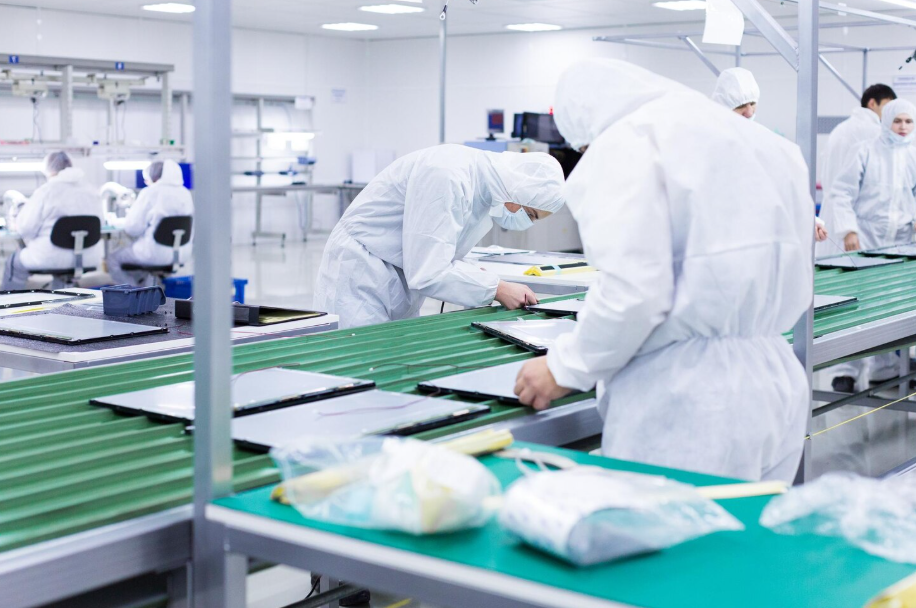
Cost is one of the main reasons brands compare these models.
Private label usually has the lowest development cost because the formula already exists. You mainly pay for product, packaging, filling, decoration, and shipping.
ODM costs more because it involves R&D, sampling, testing, and customization. The final cost depends on formula complexity, active ingredients, packaging, exclusivity, and testing requirements.
OEM cost varies widely. If the formula is production-ready and raw materials are easy to source, OEM can be efficient. If the formula needs reformulation or scale-up work, costs can increase.
A practical way to think about cost:
- Private label reduces upfront development cost
- ODM invests more in differentiation
- OEM invests more in control and ownership
For early-stage brands, private label is often the most financially realistic starting point. For growing brands, ODM can create stronger margins and brand value. For established companies, OEM can support scale and IP protection.
MOQ: Which Model Has the Lowest Minimum Order Quantity?
MOQ depends on formula type, packaging, filling method, raw materials, and decoration process.
In general, private label has the lowest MOQ because the formula is already available and production is easier to plan. Sheleys supports flexible manufacturing models for different growth stages, with low-MOQ options for private label projects and higher-volume options for scaling brands. You can review more company capability details on the About Sheleys page.
ODM usually has a medium MOQ because the project includes custom work. If you customize fragrance, texture, actives, or packaging, the factory needs enough order volume to justify material sourcing and production setup.
OEM may have the highest MOQ when the formula uses specialized ingredients, custom packaging, or dedicated production requirements.
If you are testing a new brand, start with the smallest commercially viable MOQ. If you are building a long-term hero product, choose the model that protects your positioning, not just the model with the lowest quantity.
Lead Time: How Long Does Each Model Take?
Private label is usually the fastest. A standard private label skincare product can move from selection to production much faster than a custom formula, especially when packaging is in stock.
ODM takes longer because sampling and testing are part of the process. A realistic ODM timeline may include concept review, formula direction, first samples, feedback, revisions, stability testing, packaging tests, artwork, and production.
OEM lead time depends on formula readiness. If the formula is complete and scalable, OEM can be straightforward. If the formula needs adjustment for raw material sourcing, equipment compatibility, or stability, the timeline can expand.
For most brands:
- Private label is best for a fast launch
- ODM is best for planned differentiation
- OEM is best for controlled production of an existing formula
Which Model Is Best for a New Skincare Brand?
For most new skincare brands, private label is the best starting point.
The reason is simple: your biggest early risk is not usually formula uniqueness. It is whether your market wants the product, whether your positioning is clear, whether your price point works, and whether you can acquire customers profitably.
Private label lets you launch faster and learn from real customers. You can test categories such as cleansers, moisturizers, serums, masks, body lotions, shampoos, or baby products before investing in fully custom R&D.
A good path for many startups is:
- Start with private label to validate demand
- Move into ODM for your best-selling product or hero SKU
- Use OEM later when you own formulas and need more control
This staged approach keeps risk manageable while still allowing your brand to become more differentiated over time.
Which Model Is Best for an Established Beauty Brand?
For established brands, ODM or OEM is usually more appropriate.
If your brand already has a clear customer base, retail channel, or product philosophy, you may need formulas that are more specific than standard private label options. ODM allows you to develop products that match your brand’s texture, ingredient story, claim direction, and market position.
OEM is better if you already own the formula or need to manufacture according to strict specifications.
For example, a DTC skincare brand may use ODM to develop a proprietary barrier repair cream. A retailer may use OEM to produce a formula that has already been approved internally. A spa or clinic brand may use private label for supporting products and ODM for signature treatments.
The right choice depends on how much control you need and how much development time you can afford.
Compliance Considerations: Do the Rules Change by Model?
Compliance matters in all three models.
Private label does not mean compliance is automatic. Even if the formula already exists, your final product label, claims, ingredient list, packaging, and target market requirements still need review.
ODM requires even more careful documentation because the formula is being developed or modified. You need to consider ingredient restrictions, claims, preservative systems, stability, safety data, and market-specific requirements.
OEM requires strong document control because the brand usually provides the formula or specifications. The manufacturer and brand must align on COA, MSDS, production records, batch testing, and regulatory documentation.
If you plan to sell in the United States, European Union, United Kingdom, Canada, Australia, or the Middle East, compliance should be discussed before sampling. Sheleys supports global-facing brands with documentation and regulatory support such as FDA, MoCRA, EU CPNP/PIF, COA, and MSDS assistance. For common project questions, you can also check the FAQ page.
How to Choose the Right Skincare Manufacturing Model
Use these questions to make the decision.
Choose Private Label If:
You want to launch quickly.
You have a limited startup budget.
You want lower MOQ.
You do not need a fully unique formula yet.
You want to test products before custom development.
You are launching through Amazon, Shopify, TikTok Shop, spa retail, or local distribution.
Private label works well for categories such as face cleansers, moisturizers, serums, body lotions, shampoos, conditioners, and basic baby care.
Choose ODM If:
You have a clear product concept.
You want a more differentiated formula.
You care about texture, actives, scent, or skin feel.
You want to create a hero product.
You need manufacturer R&D support.
You are building a long-term brand, not just testing a product.
ODM is often ideal for anti-aging serums, sensitive skin creams, brightening products, scalp care, mineral sunscreens, herbal skincare, and niche body care.
Choose OEM If:
You already own the formula.
You have technical specifications.
You need production scale.
You require strict formula control.
You are replacing or adding a manufacturer.
You have an internal product development team.
OEM is best when your product is already technically defined and your main need is reliable manufacturing.
A Practical Example: Launching a Skincare Line
Imagine you want to launch a 5-SKU skincare line with a cleanser, serum, moisturizer, body lotion, and sunscreen.
A private label approach would let you select existing formulas, customize packaging, and launch faster. This is ideal if your goal is market testing.
An ODM approach would let you build a more strategic product story. For example, you could create a sensitive-skin face routine, a barrier repair system, or a botanical skincare line using modern active ingredients and selected plant extracts.
An OEM approach would make sense if your team already developed all five formulas and now needs a factory to produce them at scale.
There is no universal best model. There is only the model that fits your brand stage.
Common Mistakes Brands Make When Choosing a Model
One mistake is choosing OEM too early. Many first-time founders want full ownership before they have proven demand. This can lead to high cost, slow timelines, and unnecessary complexity.
Another mistake is choosing private label without thinking about positioning. Even with an existing formula, your brand still needs a clear customer, claim strategy, pricing logic, packaging direction, and sales channel.
A third mistake is assuming ODM means unlimited customization at low MOQ. Custom development always needs realistic timelines, testing, and volume planning.
The best manufacturers will explain these tradeoffs clearly before production begins.
Final Recommendation: Which Model Is Right for You?
If you are a startup, choose private label first unless your brand depends on a unique formula from day one.
If you are a growing brand, choose ODM for your hero products and key differentiators.
If you are an established company with your own formulas, choose OEM to control production and scale consistently.
For many beauty brands, the smartest path is not choosing one model forever. It is using the right model at the right stage.
You might launch with private label, upgrade your bestsellers through ODM, and eventually move into OEM once your product IP and volume justify it.
Work With a Skincare Manufacturer That Supports All Three Models
Sheleys is a skincare and personal care manufacturer based in Guangzhou, China, supporting private label, ODM, OEM, packaging, formulation, and regulatory documentation for global beauty brands.
Whether you are launching a fast private label skincare line, developing a custom ODM formula, or looking for OEM production support, Sheleys can help you evaluate the right path based on your MOQ, target market, timeline, and product category.
Explore Sheleys’ custom skincare manufacturing solutions, review available skincare product categories, or contact the team to discuss your project.
FAQ: Private Label vs ODM vs OEM Skincare
Is private label skincare the same as OEM?
Not exactly. In some markets, private label is treated as a type of OEM because the factory manufactures products under your brand name. However, in practical skincare manufacturing, private label usually means using an existing factory formula, while OEM usually means the brand provides the formula or specifications.
Is ODM better than private label?
ODM is better if you need product differentiation and custom development. Private label is better if you need speed, lower MOQ, and lower development risk.
Can I start with private label and move to ODM later?
Yes. This is often the most practical path. You can test demand with private label products, then invest in ODM for your bestselling or most strategic SKUs.
Which model gives me formula ownership?
OEM usually gives the highest level of formula ownership because the brand provides the formula. ODM ownership depends on the agreement. Private label formulas are usually owned by the manufacturer unless exclusivity is negotiated.
What is the best model for Amazon skincare sellers?
Private label is usually the best starting model for Amazon sellers because it allows faster launch, lower development complexity, and easier product testing.
What is the best model for premium skincare brands?
ODM or OEM is usually better for premium brands because they often need unique textures, active ingredient systems, claim support, and stronger differentiation.
How do I know which model Sheleys recommends for my project?
Prepare your target product type, market, MOQ