Starting a private label skincare brand sounds simple on the surface—choose a formula, add your logo, launch a website, and start selling. In reality, the financial side is more layered. Costs can shift dramatically depending on your product strategy, manufacturing partner, packaging choices, and how aggressively you plan to scale.
There is no single “fixed number.” But there is a realistic range—and understanding it early helps you avoid underestimating your budget or locking cash into the wrong decisions.
Below is a clear, practical breakdown based on current OEM/ODM industry data and typical startup experiences in 2026.
The Real Startup Cost Range (Big Picture)
Most skincare founders fall into one of three budget tiers:
- Lean startup brand: $2,000 – $10,000
- Mid-level private label launch: $10,000 – $50,000
- Premium or fast-scaling brand: $50,000 – $200,000+
These ranges are consistent across industry analyses, especially when factoring in MOQ requirements, packaging, and early marketing spend.
A small private label launch is absolutely possible with a few thousand dollars—but it usually means starting with 1–2 SKUs and minimal customization.
Product Development Costs (Formula + Sampling)
This is where many beginners underestimate the complexity.
Private label (ready-made formulas)
- Cost: $0 – $500
- Fast turnaround
- Lower risk
- Limited customization
Most new brands start here because the formulas are already tested and stable.
Custom formulation (ODM development)
- Cost: $1,000 – $10,000+
- Includes lab R&D, adjustments, stability testing
Custom work gives you uniqueness—but you’re paying for experimentation, not just production.
A lot of manufacturers quietly recommend starting with private label first, then moving into custom formulas once sales are proven.
Manufacturing Costs (The Core Budget Driver)
Manufacturing is usually your biggest recurring expense, and it is tightly linked to MOQ (Minimum Order Quantity).
Typical MOQs:
- 100 – 1,000 units per SKU (startup range)
- 1,000 – 3,000 units (standard OEM range)
Per-unit production cost:
- Cleanser: $1 – $5
- Moisturizer: $2 – $6
- Serum: $3 – $10
- Sunscreen: $5 – $15
These numbers vary depending on actives, formulation complexity, and production scale.
For a first batch of 500–1,000 units, your production cost alone could land anywhere between:
$2,000 – $10,000+ per product
Packaging Costs (Often Underestimated)
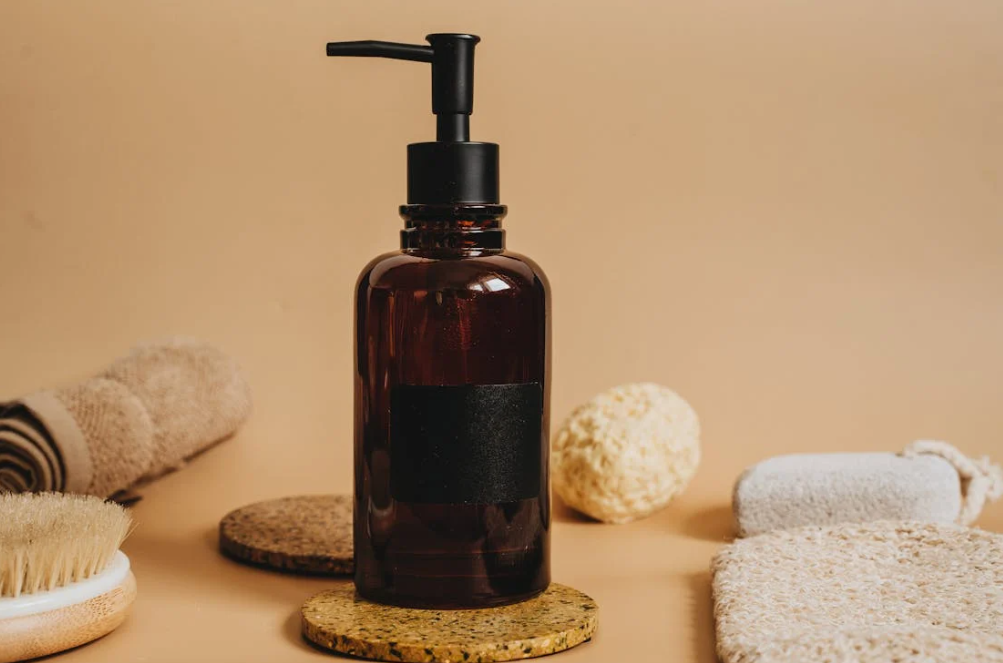
Packaging is where branding meets real money.
And it matters more than most founders expect—because it directly influences perceived value.
Typical packaging breakdown:
- Basic packaging: $0.20 – $0.60 per unit
- Premium packaging: $1 – $3 per unit
- Custom molds (optional): $800 – $5,000+ one-time cost
Secondary packaging (boxes, cartons) adds another layer:
- $0.20 – $1.50 per unit depending on design
If you’re building a “luxury feel” brand, packaging alone can quietly consume 20–40% of your total budget.
Branding, Design, and Compliance Costs
Beyond physical production, you also need to consider the “invisible” setup costs:
- Logo design: $100 – $500
- Packaging design system: $300 – $1,500
- Brand identity package: $500 – $3,000
- Compliance/testing (market-dependent): $200 – $2,000+
These don’t sound large individually, but they stack quickly—especially if you revise designs mid-production (which happens often in early brands).
Shipping, Import, and Logistics
If you manufacture overseas (common for private label skincare), logistics becomes a real line item:
- International shipping (air or sea)
- Customs duties
- Warehousing or fulfillment setup
- Product inspection (optional but recommended)
Even a small shipment can add hundreds to several thousand dollars depending on volume and destination.
This is also where many first-time founders get surprised—not by product cost, but by the “everything around the product” cost.
Total First Launch Budget (Realistic Scenarios)
Let’s bring everything together into practical scenarios.
Scenario A: Minimal viable launch
- 1–2 SKUs
- Private label formula
- Basic packaging
- Low MOQ (100–500 units)
👉 Estimated total: $2,500 – $7,500
Scenario B: Serious small brand launch
- 2–5 SKUs
- Better packaging
- Moderate customization
- 500–1,000 units per SKU
👉 Estimated total: $8,000 – $25,000
Scenario C: Premium brand entry
- Custom formulas
- High-end packaging
- Larger inventory (1,000–5,000 units per SKU)
- Marketing budget included
👉 Estimated total: $25,000 – $100,000+
Why Costs Vary So Much
Two brands can launch “the same serum” and end up with completely different budgets.
The biggest cost drivers are:
- Formula complexity (basic vs active-heavy)
- Packaging ambition (plastic bottle vs luxury glass)
- MOQ negotiation strength
- Branding positioning (drugstore vs premium skincare)
- Supplier location and manufacturing model
In skincare, cost is less about the product itself—and more about the decisions layered around it.
Conclusion
The cost to start a private label skincare brand is flexible, but not random. Most founders underestimate packaging, MOQ constraints, and hidden logistics costs more than the formula itself.
A realistic entry point today is around $5,000–$20,000 for a small but legitimate launch, while more ambitious brands can scale well beyond that once demand is proven.
The most important financial decision is not how much you spend—but how controlled your first production run is.
Start lean. Test demand. Then scale with data, not assumptions.
FAQs
Can I start a skincare brand with $5,000?
Yes. You’ll need a small product line, low MOQ, and simple packaging.
What is the cheapest part of skincare production?
The formula itself—especially private label formulas.
What is the most expensive part?
Packaging and marketing often cost more than manufacturing.
Do I need a custom formula to start?
No. Most brands start with private label and upgrade later.
How many products should I launch with?
Most successful startups begin with 1–3 SKUs to reduce risk.