In today’s global beauty economy, choosing an OEM skincare manufacturer in China is no longer just a sourcing decision—it is a brand-defining move. For many emerging skincare companies, especially private label brands, the manufacturer becomes the invisible co-founder shaping everything from product texture to regulatory compliance.
China, particularly Guangzhou and surrounding industrial zones, has become one of the most influential hubs for cosmetic OEM and ODM production. The supply chain is dense, competitive, and highly capable—but also uneven. Some factories operate at world-class GMP standards, while others are little more than trading intermediaries.
That gap is exactly why selection matters so much.
This guide breaks down how to evaluate, compare, and ultimately choose the right OEM skincare manufacturer in China with a practical, industry-informed approach.
Understanding OEM Skincare Manufacturing First
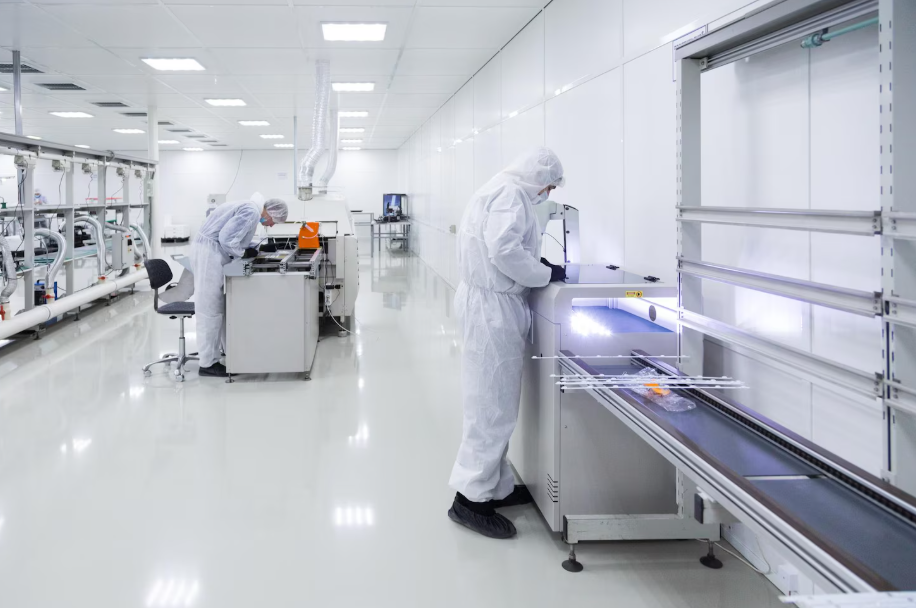
Before selecting a manufacturer, it helps to be precise about what OEM actually means in skincare production.
OEM (Original Equipment Manufacturer) in skincare refers to a model where a factory produces products based on your formula, specifications, packaging design, and branding requirements. In some cases, it overlaps with ODM (Original Design Manufacturer), where the factory also provides ready-made formulas you can brand and slightly modify.
In practice:
- OEM = you control formulation and product direction
- ODM = factory provides tested formulas, you brand and sell
Many modern skincare companies use a hybrid approach, starting with ODM for speed and shifting toward OEM once the brand matures. This flexibility is one reason China dominates global skincare sourcing today.
Why China Is the Global Hub for Skincare OEM
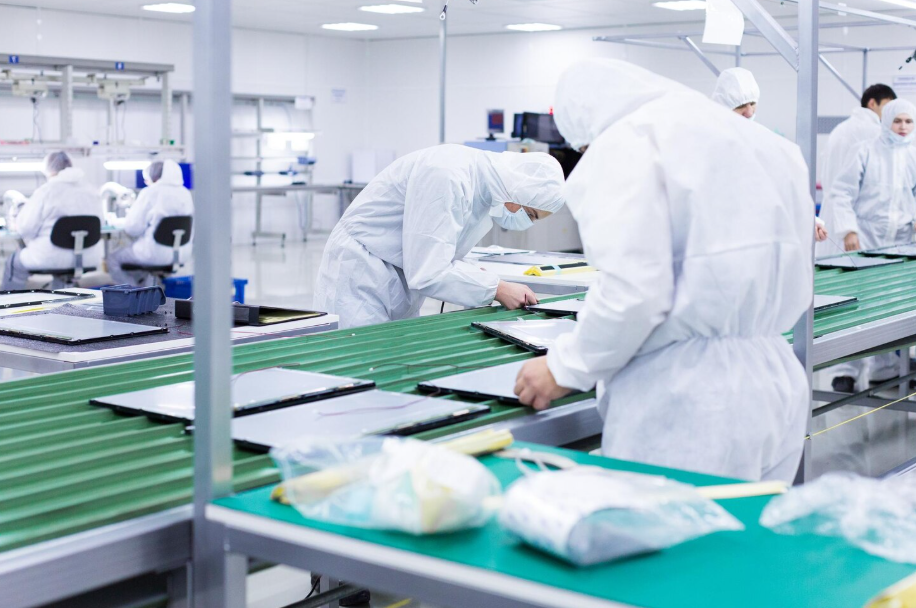
China’s skincare manufacturing ecosystem is not just large—it is structurally integrated.
Factories in regions like Guangzhou benefit from proximity to:
- Raw ingredient suppliers
- Packaging manufacturers
- Testing laboratories
- Export logistics networks
This creates faster iteration cycles and lower production friction compared to fragmented markets.
According to industry analyses, typical skincare OEM cycles in China range from 25 to 60 days depending on formulation complexity and packaging requirements, significantly faster than many Western counterparts.
But speed alone is not the advantage. The real value lies in scalability and access to mature formulation libraries that allow brands to launch quickly without building R&D teams from scratch.
Step 1: Verify Certifications and Regulatory Compliance
If there is one filter you cannot skip, it is compliance.
A credible OEM skincare manufacturer should have verifiable certifications such as:
- ISO 22716 (Cosmetic GMP standard)
- ISO 9001 quality management system
- FDA or EU cosmetic compliance familiarity
These certifications are not decorative—they determine whether your product can legally enter key markets.
Poor compliance can lead to product recalls, customs issues, or even platform bans on marketplaces. In fact, regulatory non-compliance is one of the most common risks reported when working with low-quality or unverified factories.
A serious manufacturer will always provide documentation without hesitation. If they hesitate, that is already a signal.
Step 2: Evaluate R&D Strength, Not Just Catalogs
A common mistake buyers make is focusing only on product lists. A long catalog does not equal innovation.
Instead, evaluate the factory’s R&D depth:
- Do they have in-house cosmetic chemists?
- Can they modify active ingredient concentrations?
- Do they understand global skincare trends (retinol, peptides, microbiome care)?
- Can they adjust formulations for different climates and skin types?
Strong OEM partners act more like technical collaborators than simple producers. They help translate market positioning into workable formulations.
If a factory only offers “ready-to-go” products with no customization capacity, you are essentially working with ODM, not true OEM development.
Step 3: Check Raw Material Transparency
Skincare quality begins long before production—it starts with sourcing.
A reliable manufacturer should be able to explain:
- Ingredient origin and supplier chain
- Certificate of Analysis (COA) for raw materials
- Whether ingredients are vegan, cruelty-free, or clean-label compliant
Factories with stronger supply chain control usually produce more consistent batches. Weak transparency often leads to formula instability or inconsistent sensory performance across production runs.
This is one of the most overlooked but critical evaluation points.
Step 4: Understand MOQ Realistically
Minimum Order Quantity (MOQ) is often misunderstood by new brands.
In China, typical skincare MOQs vary widely:
- 500–1,000 units for white label products
- 1,000–3,000 units for light customization
- 3,000–10,000+ units for fully custom OEM formulas
Lower MOQ may seem attractive, but it often comes with trade-offs such as higher unit cost or limited customization flexibility.
A professional manufacturer will explain MOQ structure clearly and offer scaling pathways rather than pushing unrealistic low-volume promises.
Step 5: Assess Quality Control Systems
Quality control is where good factories separate themselves from average ones.
A strong OEM skincare manufacturer should have structured QC stages:
- Incoming raw material inspection
- In-process production monitoring
- Finished product testing
- Stability and microbial testing
Without this structure, even a well-designed formula can fail in real-world use due to contamination or inconsistency.
One useful question to ask is:
“How do you ensure batch-to-batch consistency?”
If the answer is vague, proceed cautiously.
Step 6: Packaging Capability Matters More Than You Think
Packaging is not just visual branding—it affects product stability and user experience.
A capable OEM manufacturer should offer:
- Multiple packaging sourcing options
- Custom mold development (for scaling brands)
- Labeling and printing solutions
- Eco-friendly packaging alternatives
Startups often underestimate this stage, but in reality, packaging delays are one of the most common causes of product launch setbacks.
Step 7: Communication and Project Management Quality
This may sound simple, but it is often decisive.
A strong manufacturer will:
- Respond clearly and consistently
- Provide structured timelines
- Share progress updates without being chased
- Explain technical constraints openly
Weak communication usually leads to misunderstandings in formulation, packaging, or compliance expectations.
In cross-border manufacturing, communication clarity is almost as important as technical capability.
Step 8: Sample Process and Iteration Reality
No skincare product is perfect on the first sample.
In professional OEM development, 2–5 sampling rounds are normal before final approval. Each iteration refines texture, absorption, fragrance, and stability.
Factories that promise “perfect first sample” are often oversimplifying reality.
A mature OEM process expects iteration, not instant perfection.
Step 9: Factory vs Trading Company (Critical Distinction)
One of the biggest hidden risks in China sourcing is unknowingly working with trading companies instead of actual factories.
Red flags include:
- Unusually high MOQs without flexibility
- Vague answers about production location
- Inability to provide factory audit documents
- Overly broad product categories
Real manufacturers usually specialize in specific product types (e.g., emulsions, serums, or masks), rather than selling unrelated goods.
This distinction alone can significantly impact product consistency and pricing control.
Step 10: Long-Term Partnership Thinking
The best OEM relationships are not transactional—they are developmental.
A strong manufacturer should be able to grow with your brand:
- Start with ODM for market testing
- Move into OEM customization
- Eventually support exclusive formula development
If a factory only treats you as a one-time order, it may limit your long-term brand differentiation.
Short Conclusion
Choosing the right OEM skincare manufacturer in China is less about finding the cheapest option and more about identifying a capable, transparent, and scalable production partner. Certifications, R&D strength, quality control, and communication all matter more than surface-level pricing.
A strong manufacturer does not just produce skincare—they help shape your brand’s credibility in the market.
FAQs
What is OEM skincare manufacturing?
It is when a factory produces skincare products based on your specifications and branding.
What is the typical MOQ in China?
Usually between 500 and 10,000 units depending on customization level.
How long does production take?
On average 25 to 60 days depending on formula and packaging.
Is OEM better than ODM?
OEM offers more customization, while ODM is faster and cheaper.
What certifications should a manufacturer have?
ISO 22716, GMP, and compliance with FDA or EU cosmetic regulations.