In the global skincare manufacturing industry, two terms come up again and again: OEM and ODM. At first glance, they sound technical and almost interchangeable. But in practice, they define two very different ways of building a skincare brand.
For companies planning to launch or scale a beauty line—especially private label brands—the choice between OEM and ODM can directly influence product uniqueness, speed to market, budget, and long-term brand positioning.
This article breaks down the OEM vs ODM skincare difference in a practical, business-focused way so you can decide which model actually fits your brand direction.
Understanding OEM and ODM in Skincare Manufacturing
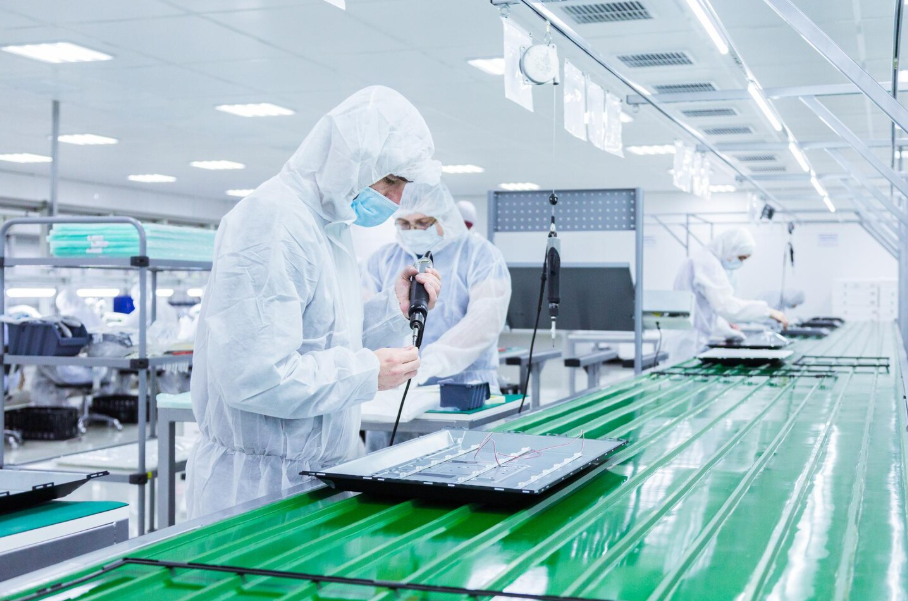
Before comparing them, it helps to understand what each model actually means in skincare production.
What is OEM skincare?
OEM stands for Original Equipment Manufacturer.
In skincare, OEM means the brand is responsible for the product concept and formulation. The factory manufactures the product strictly according to the brand’s specifications.
In simple terms: You design it, the factory produces it.
This includes:
- Formula development direction or full formula ownership
- Ingredient selection
- Texture, fragrance, and performance requirements
- Packaging structure and specifications
OEM is typically used by brands that already have a clear product vision or internal R&D support.
As industry sources explain, OEM gives brands full control over formulation and product identity, but requires more development time and higher investment in R&D and testing.
What is ODM skincare?
ODM stands for Original Design Manufacturer.
In ODM skincare, the factory already has existing formulas and product concepts. Brands choose from these ready-made solutions and apply their own branding.
In simple terms: The factory designs it, you brand and sell it.
ODM usually includes:
- Pre-developed skincare formulas
- Tested and stabilized product systems
- Optional adjustments (fragrance, texture, actives in some cases)
- Custom packaging and branding
ODM is widely used in private label skincare because it significantly reduces development complexity and speeds up launch time.
OEM vs ODM Skincare: Core Differences
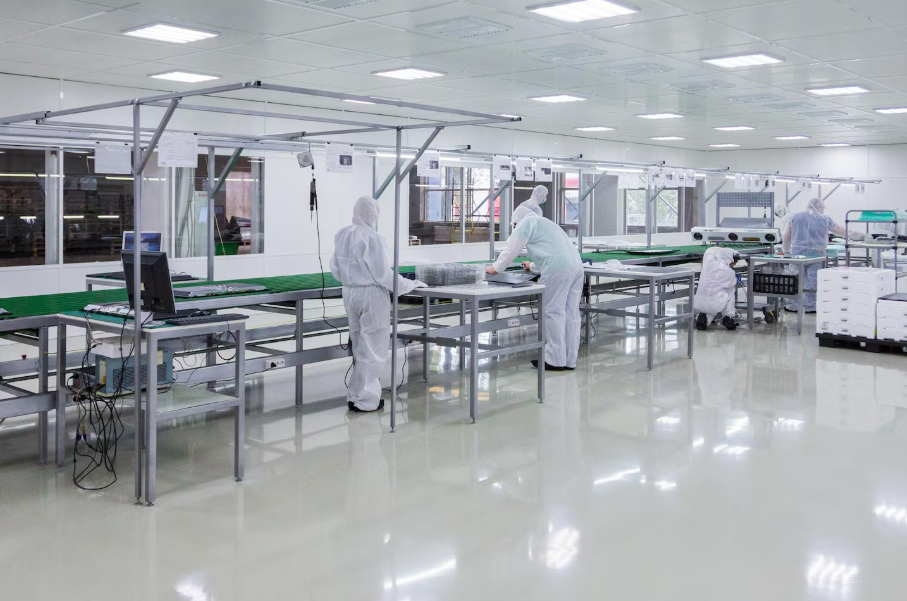
Although both models help brands manufacture skincare products without owning a factory, their strategic differences are significant.
Product development control
- OEM: Full control over formula and product structure
- ODM: Limited control, based on existing formulations
OEM allows deeper differentiation, while ODM focuses more on convenience.
Time to market
- OEM: Longer development cycle due to R&D, sampling, and stability testing
- ODM: Faster launch since formulas are already developed
Many ODM products can reach market in a fraction of the time required for OEM development.
Cost structure
- OEM: Higher cost (R&D, testing, customization, lab work)
- ODM: Lower cost (shared formulas and existing production systems)
ODM is often chosen by startups to reduce upfront risk.
Product uniqueness
- OEM: High uniqueness, strong differentiation potential
- ODM: Lower uniqueness, possible overlap with other brands
OEM is often preferred by brands aiming for long-term brand equity.
Ideal business stage
- OEM: Established brands or science-driven skincare companies
- ODM: Startups, e-commerce brands, or rapid market testers
OEM vs ODM: Which One Should You Choose?
There is no universal “better” option. The right choice depends on your business strategy.
Choose OEM if:
- You want a highly unique skincare formula
- You plan to build a long-term premium brand
- You have specific ingredient or performance requirements
- You can invest more time and budget in development
OEM works best when brand differentiation is the priority.
Choose ODM if:
- You want to launch quickly
- You are testing a new skincare brand or market
- You prefer lower R&D and development costs
- You want a simpler, guided production process
ODM is often the practical choice for fast-growing private label businesses.
A More Realistic Way to Think About OEM vs ODM
In real manufacturing practice, the line between OEM and ODM is not always rigid.
Many factories now offer hybrid models, where:
- ODM formulas can be slightly adjusted
- OEM projects may start from existing base formulations
- Packaging and actives are customized within predefined systems
In fact, many modern skincare brands evolve from ODM to OEM once they validate their market demand and scale up.
How Sheleys Helps Skincare Brands Navigate OEM and ODM
At Sheleys, based in Guangzhou, we work with both OEM and ODM skincare development models for global B2B clients.
In practical terms, many brands start with ODM to enter the market faster, then gradually transition into OEM once they understand customer demand and positioning more clearly.
This step-by-step approach reduces risk while still allowing long-term brand building.
Short Conclusion
OEM and ODM are not competitors—they are two different strategies for building a skincare brand.
If you want control, uniqueness, and long-term differentiation, OEM is the stronger path.
If you want speed, lower cost, and easier entry, ODM is the more practical choice.
The smartest brands often don’t choose one forever—they evolve between both.
FAQs: OEM vs ODM Skincare
Is OEM more expensive than ODM?
Yes. OEM usually costs more because it involves custom formulation and R&D work.
Which is faster, OEM or ODM?
ODM is faster because it uses pre-developed formulas.
Can I customize ODM skincare products?
Yes, but customization is usually limited compared to OEM.
Which is better for startups?
ODM is generally better for startups due to lower cost and faster launch.
Do OEM products guarantee exclusivity?
Yes, OEM formulas are typically unique to your brand.