In today’s highly competitive beauty market, sourcing reliable suppliers is a strategic advantage for skincare brands and retailers worldwide. China remains one of the most important hubs for cosmetics and skincare production, offering a vast ecosystem that includes raw materials, formulation labs, packaging, and export-ready manufacturers. However, not all suppliers deliver consistent quality or transparency — and choosing the wrong partner can cost time, money, and brand reputation.

This guide will walk you through how to find, vet, and build long-term relationships with trustworthy beauty product suppliers in China, with practical steps and insights based on industry data and sourcing experience.
Why China Still Matters for Beauty Product Sourcing
China accounts for a significant share of global beauty and personal care manufacturing. The country’s infrastructure supports every stage of production — from formulation and packaging to compliance and logistics — making it attractive for brands seeking cost-effective yet scalable partners.
Key strengths of the Chinese supply ecosystem include:
- Integrated manufacturing clusters where raw materials, labs, and packaging suppliers are co-located.
- Flexible production capacity that accommodates both small test batches and large orders.
- Export experience with international compliance standards such as FDA (U.S.) and CPNP (EU).
Yet, this diversity also means that not every factory or supplier is suitable for every brand. Knowing how to differentiate reliable partners from risky ones is essential.
Step 1 — Start with a Strong Search Strategy
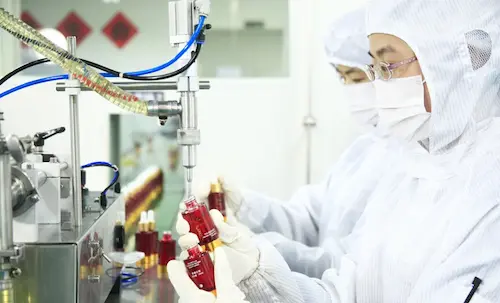
The first step is generating a long list of potential suppliers. Some effective ways to find candidates include:
B2B Marketplaces
Platforms such as Alibaba, Global Sources, and Made-in-China are popular starting points. They allow you to filter by product category (e.g., skincare, cosmetics) and supplier credentials.
Tips for marketplace sourcing:
- Use filters like “Gold Supplier,” “Verified Manufacturer,” and “GMP/ISO certified.”
- Be cautious with suppliers that list unrelated product categories — these are often trading companies rather than factories.
Trade Shows and Exhibitions
Trade shows — both in China and internationally — provide direct access to manufacturers and allow you to see products and packaging firsthand.
Local Wholesale Markets
If you are in China or plan a sourcing trip, cities like Guangzhou have large cosmetics wholesale markets where many local suppliers and distributors congregate.
Referrals and Industry Networks
Personal introductions or recommendations from other brands can be invaluable. Sourcing agents and local partners often have established contacts that aren’t listed online.
Step 2 — Understand Supplier Types
Not all “suppliers” are equal. You need to distinguish between:
- Manufacturers (OEM/ODM): Factories that produce products directly. OEM (Original Equipment Manufacturer) makes products based on your formulation, such as Sheleys; ODM (Original Design Manufacturer) offers pre-formulated products you can rebrand.
- Trading Companies: Middlemen who resell products from various sources. They may offer flexibility but often lack production transparency.
- Sourcing Agents: Intermediaries who help you find and vet factories, handle negotiations, and manage logistics.
Working directly with a factory usually offers better pricing and control but requires more vetting and communication. Trading companies may be easier to work with for small orders but offer less visibility into production quality.
Step 3 — Vet Suppliers Thoroughly
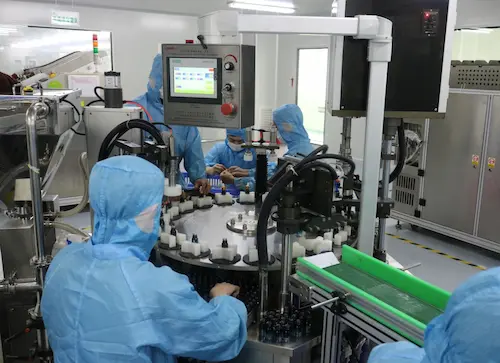
Once you have a shortlist, rigorous vetting is critical.
Check Business Credentials
Ask for and verify:
- Business license with cosmetics manufacturing scope
- GMP/ISO 22716 certification
- Export documentation relevant to your target markets
- MSDS (Material Safety Data Sheets) for product safety
Cross-check these documents with third-party databases or certification bodies.
Evaluate Communication
A reliable supplier responds promptly and clearly. Vague replies, overly aggressive pricing, or pushy sales tactics are red flags. Quality communication early often predicts how the relationship will work later.
Sample and Quality Testing
Request multiple sample rounds. Good factories deliver consistent results and can provide stability reports or Certificates of Analysis (COAs). If quality varies significantly between samples, it may indicate inconsistent processes or outsourcing.
Factory Visits and Audits
Whenever possible, visit the facility in person. If travel isn’t feasible, hire a local inspector or sourcing agent to conduct audits. Photos, videos, and independent reports help confirm production conditions.
Step 4 — Negotiate Smartly
Negotiation in China isn’t just about price — it’s about building a relationship.
Key negotiation points:
- MOQ (Minimum Order Quantity): Discuss smaller trial runs before committing to large batches.
- Payment terms: Standard terms are often 30% deposit and 70% after inspection.
- Contract clarity: Include specifications, timelines, penalties, and confidentiality terms in both English and Chinese.
- After-sales support: Agree on defect policies and replacement terms.
In China, establishing guanxi — trust and communication — can lead to better pricing, priority production slots, and stronger support during scaling.
Step 5 — Build Long-Term Partnerships
A supplier becomes valuable when they consistently deliver quality, meet timelines, and support your brand’s growth.
Best practices:
- Track performance KPIs (defect rate, on-time delivery, compliance errors).
- Maintain regular communication through email, WeChat, or scheduled calls.
- Keep at least one backup supplier to reduce risk.
A reliable partner behaves like an extension of your business, not just a vendor.
Common Pitfalls and Red Flags
Be cautious of suppliers who:
- Avoid sharing certifications or business licenses.
- Provide inconsistent sample quality.
- Focus on price before understanding your specifications.
- Demand full payment upfront or use personal bank accounts.
Conclusion
Finding a reliable beauty product supplier in China requires a combination of strategic search, careful vetting, effective communication, and relationship building. By leveraging reputable platforms, verifying credentials, testing quality, and negotiating thoughtfully, you can identify partners who not only meet your standards but support your brand’s long-term success. China’s manufacturing ecosystem offers immense opportunities — but success lies in choosing the right supplier and nurturing that partnership with diligence and professionalism.
FAQs
What’s the difference between OEM and ODM?
OEM produces products based on your formula; ODM offers pre-formulated products you rebrand.
Are online marketplaces safe for sourcing?
They’re good starting points, but you must vet suppliers carefully to avoid scams.
Should I visit the factory in person?
Yes — if possible — but local inspections are an alternative when travel isn’t feasible.
What certifications matter most?
GMP, ISO 22716, and export-related documentation for your target market.
Is a sourcing agent worth it?
For many brands, especially first-timers, a reliable sourcing agent can save time and reduce risk.