Skin “whitening” is often misunderstood. In modern dermatology and cosmetic science, it doesn’t mean bleaching your natural skin tone—it’s about brightening, evening out discoloration, and reducing hyperpigmentation to reveal healthier, younger-looking skin.
If you’ve ever scanned the ingredient list of a face whitening cream and felt overwhelmed, you’re not alone. Behind every effective formula lies a combination of melanin inhibitors, antioxidants, exfoliants, and barrier-supporting agents—each playing a precise role.
This guide breaks down those ingredients in a way that feels human, practical, and grounded in real science—not marketing fluff.
What Causes Skin Darkening and Uneven Tone?
Before diving into ingredients, it helps to understand the mechanism.
Skin pigmentation is largely controlled by melanin, produced by melanocytes. Several triggers can increase melanin production:
- UV exposure
- Hormonal changes (melasma)
- Inflammation (acne scars, irritation)
- Aging and oxidative stress
Most whitening creams target one or more of these processes:
- Blocking melanin production
- Interrupting pigment transfer
- Accelerating skin renewal
- Neutralizing oxidative stress
The best formulas don’t rely on one ingredient—they combine multiple pathways.
The Core Categories of Whitening Ingredients
Instead of memorizing dozens of ingredients, think in functional groups. High-performing formulations typically include:
- Tyrosinase inhibitors (reduce melanin production)
- Melanosome transfer blockers (stop pigment spread)
- Exfoliants (remove pigmented cells)
- Antioxidants (prevent future damage)
- Skin-repair agents (reduce inflammation)
Let’s break these down.
Tyrosinase Inhibitors: The Foundation of Brightening
Tyrosinase is the key enzyme responsible for melanin production. Blocking it = less pigmentation.
Alpha Arbutin
Alpha arbutin is one of the most widely used brightening agents today.
- Derived from natural sources like bearberry
- Works by inhibiting tyrosinase
- Considered safer than hydroquinone
Research shows that arbutin can achieve similar brightening effects to hydroquinone but with lower toxicity and irritation risk .
Best use: Daily long-term brightening for sensitive skin.
Kojic Acid
Kojic acid is a fungal-derived ingredient that also suppresses tyrosinase.
- Effective for melasma and sun spots
- Often used in combination formulas
- Can cause irritation in higher concentrations
It works best in leave-on products, not rinse-off formulas.
Hydroquinone (Advanced Use Only)
Hydroquinone is considered the “gold standard” for pigmentation—but comes with caveats.
- Highly effective melanin suppressor
- Typically used at 2–4%
- Requires professional guidance due to potential side effects
Many modern brands are shifting toward safer alternatives like arbutin and tranexamic acid.
Melanosome Transfer Blockers: Stopping Pigment Spread
Even if melanin is produced, it still needs to be transferred to skin cells to become visible.
Niacinamide (Vitamin B3)
This is where niacinamide shines.
- Blocks transfer of pigment to skin cells
- Improves skin barrier
- Reduces inflammation
Clinical studies show that 5% niacinamide significantly reduces hyperpigmentation within 4–8 weeks .
Some data suggests it can reduce pigment transfer by up to 68% in a month when properly formulated .
Why formulators love it: It’s stable, versatile, and works with almost everything.
Antioxidants: Preventing Future Pigmentation
Pigmentation isn’t just about melanin—it’s also about oxidative stress.
Vitamin C (Ascorbic Acid)
Vitamin C is a cornerstone ingredient in brightening products.
- Inhibits melanin formation
- Neutralizes free radicals
- Boosts collagen production
It works by interfering with oxidative steps in melanin production and is typically used at 5–20% concentrations .
Challenge: Stability. Many modern formulas use derivatives for better shelf life.
Glutathione
Often marketed as a “master antioxidant,” glutathione:
- Helps shift melanin from darker to lighter types
- Supports detoxification
- Enhances overall skin clarity
While popular, its topical effectiveness varies depending on formulation quality.
Exfoliating Ingredients: Removing Pigmented Cells
Even the best inhibitors won’t help if pigmented cells remain on the surface.
AHAs (Alpha Hydroxy Acids)
Examples:
- Glycolic acid
- Lactic acid
- Citric acid
They work by:
- Accelerating cell turnover
- Removing dead, pigmented cells
- Improving texture and glow
Bonus: They enhance penetration of other active ingredients.
Retinoids (Retinol, Tretinoin)
Retinoids are not classic “whitening” ingredients—but they are powerful allies.
- Increase cell turnover
- Improve skin texture
- Boost collagen
They also enhance the effectiveness of other brightening agents.
Next-Generation Brightening Ingredients
The industry is evolving fast. Some newer ingredients are gaining serious attention.
Tranexamic Acid
Originally used medically, now widely adopted in skincare.
- Reduces melasma and UV-induced pigmentation
- Works well in combination formulas
Clinical studies show that combinations including tranexamic acid, niacinamide, and vitamin C can match hydroquinone results with fewer side effects .
Azelaic Acid
A multitasker that:
- Treats pigmentation
- Reduces acne
- Calms inflammation
Great for sensitive or acne-prone skin.
Licorice Extract
A natural brightener with anti-inflammatory benefits.
- Contains glabridin
- Helps reduce pigmentation gently
- Ideal for “clean beauty” formulations
Supporting Ingredients That Matter More Than You Think
Here’s where many buyers overlook value.
A whitening cream isn’t just about actives—it’s about delivery and balance.
Hyaluronic Acid
- Hydrates and plumps skin
- Improves ingredient absorption
Vitamin E
- Stabilizes vitamin C
- Adds antioxidant protection
Ceramides
- Strengthen skin barrier
- Prevent irritation (which can worsen pigmentation)
What Makes a Whitening Cream Actually Effective?
From a formulation perspective, effectiveness depends on:
- Concentration (too low = useless, too high = irritating)
- Stability (especially for vitamin C)
- pH compatibility
- Ingredient synergy
For example:
- Niacinamide + Vitamin C = multi-pathway brightening
- Arbutin + AHA = faster visible results
- Tranexamic acid + antioxidants = long-term pigmentation control
The best products are rarely “single-ingredient heroes.” They are systems.
Common Mistakes Buyers and Brands Make
Even experienced buyers get these wrong.
Chasing High Concentrations
More isn’t always better. High percentages can damage the skin barrier and worsen pigmentation.
Ignoring Sunscreen
No whitening cream works without SPF. UV exposure will undo all progress.
Overloading Ingredients
Layering too many actives can cause irritation, triggering post-inflammatory hyperpigmentation—the exact opposite of your goal.
How to Choose the Right Ingredients for Your Market
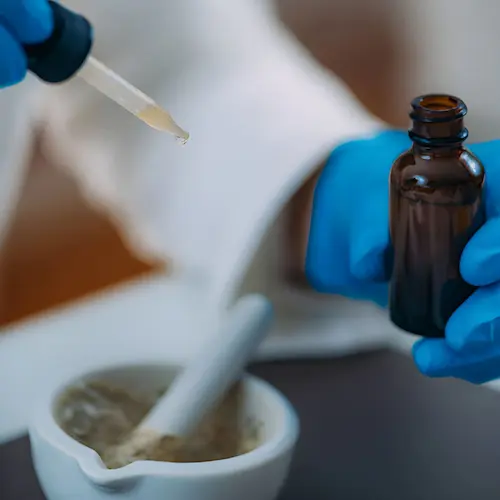
For B2B buyers and skincare brands, selection should depend on:
- Target skin type (sensitive vs oily)
- Regional preferences (natural vs clinical ingredients)
- Regulatory environment (e.g., hydroquinone restrictions)
Suggested Ingredient Combinations:
For sensitive skin:
- Niacinamide + Arbutin + Licorice
For fast results:
- Vitamin C + Tranexamic Acid + AHA
For anti-aging + brightening:
- Retinol + Vitamin C + Niacinamide
The Future of Whitening Skincare
The industry is shifting away from harsh “bleaching” agents toward:
- Multi-functional ingredients
- Barrier-friendly formulations
- Long-term skin health
Consumers today want radiance, not artificial whiteness—and formulations are evolving accordingly.
Conclusion
Face whitening creams are no longer about a single miracle ingredient. They’re about smart combinations, balanced formulations, and consistent use.
If you understand what each ingredient does—and how they work together—you move from guessing to selecting with precision.
That’s where real results begin.
FAQs
What is the safest whitening ingredient?
Niacinamide and alpha arbutin are considered among the safest and most widely tolerated.
How long does it take to see results?
Typically 4–8 weeks with consistent use.
Can whitening creams damage skin?
Yes—if overused or poorly formulated. Always avoid excessive concentrations.
Do I need sunscreen with whitening cream?
Absolutely. Without SPF, results will fade or reverse.
Which ingredient works fastest?
Hydroquinone is fastest, but safer alternatives like tranexamic acid combinations are increasingly preferred.