Understanding what’s in your anti‑aging face cream can feel like learning a new language. With hundreds of ingredients on a label — from hyaluronic acid to retinol to more exotic botanicals — it’s easy to feel overwhelmed. But not all ingredients are created equal, and knowing what they really do (and what science says about them) empowers you to choose products that deliver results rather than just marketing buzz.

In this deep‑dive, we’ll break down the most effective anti‑aging cream ingredients, explain how they work on your skin, and help you make smarter skincare decisions. We’ll also address common questions about how and why these actives belong in your routine.
What Causes Skin to Age?
Before we explore ingredients, it’s crucial to understand why skin ages.
As we get older, several biological and environmental processes change how our skin looks and feels:
- Collagen production declines — collagen gives skin structural support and firmness.
- Cell turnover slows — older cells linger on the surface, making skin look dull.
- Elasticity decreases — elastin fibers break down, causing sagging and deeper lines.
- Hydration drops — natural moisturizing factors diminish, leading to dryness and accentuated wrinkles.
External factors like UV exposure, pollution, lifestyle stress, and smoking accelerate these effects, which is why effective anti‑aging routines pair actives with broad‑spectrum sun protection.
The Core Anti‑Aging Actives: What Science Backs
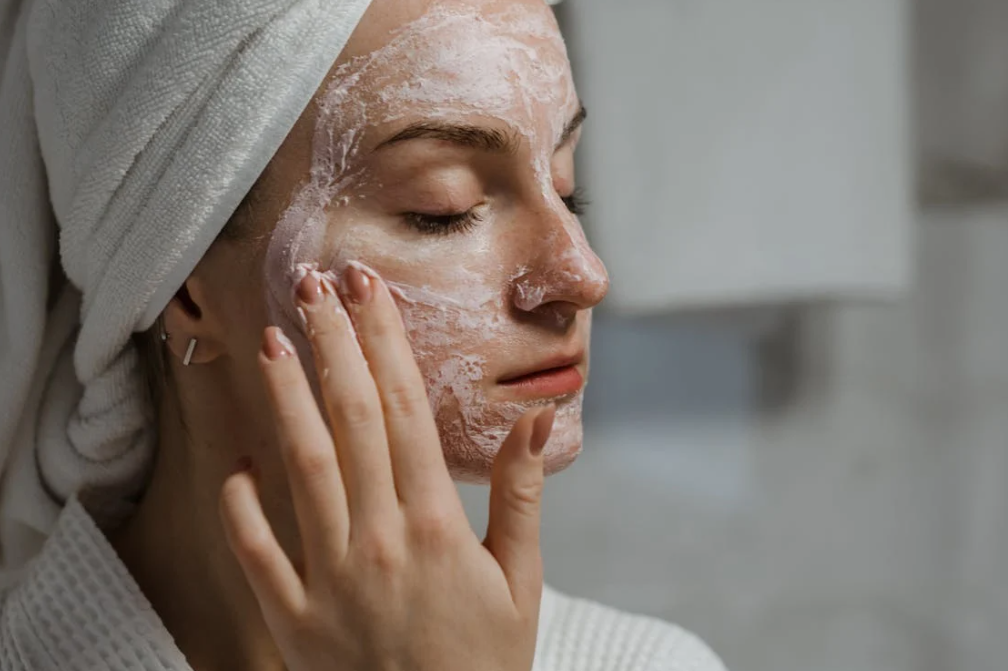
Below, we explain the most effective anti‑aging ingredients — supported by clinical research and dermatologist recommendations — so you know what they do, why they’re valuable, and how they help your skin look younger and healthier.
- Retinoids (including Retinol)
What it is: A family of vitamin A derivatives, including retinol (over‑the‑counter) and tretinoin (prescription), known for powerful age‑defying effects.
How it works: Retinoids increase cell turnover, stimulate collagen production, and help smooth fine lines and wrinkles. They also help fade pigmentation and improve skin texture.
Why it matters: This group of ingredients has some of the strongest clinical backing in anti‑aging skincare — often considered the “gold standard.”
Tips for use: Start with a low concentration at night and build up gradually to minimize irritation. Pair with sunscreen every morning, as retinoids can increase sun sensitivity.
- Hyaluronic Acid
What it is: A powerful humectant — a molecule that attracts and retains moisture in the skin.
How it works: It binds water to the skin surface, plumping up fine lines and increasing hydration. Hydrated skin tends to look smoother and more youthful.
Why it matters: While hyaluronic acid doesn’t directly boost collagen, its ability to lock in moisture makes skin appear fuller and reduces the visibility of wrinkles.
Formulation note: Products may combine different molecular weights of hyaluronic acid to target both surface hydration and deeper layers.
- Vitamin C (Ascorbic Acid)
What it is: A potent antioxidant that protects skin from oxidative stress and helps brighten complexion.
How it works: Vitamin C neutralizes free radicals from UV exposure and pollution — two major triggers of premature aging. It also assists in collagen synthesis and can reduce dullness and uneven tone.
Why it matters: Antioxidants like vitamin C help defend against environmental damage before visible signs of aging appear — making them great for both prevention and correction.
- Niacinamide (Vitamin B3)
What it is: A versatile, water‑soluble vitamin with multiple skin benefits.
How it works: Niacinamide strengthens the skin barrier, reduces inflammation, improves texture, and helps regulate uneven tone.
Why it matters: It’s well‑tolerated by most skin types and helps enhance hydration and resilience as skin ages.
- Peptides
What they are: Short chains of amino acids — the building blocks of proteins like collagen and elastin.
How they work: Peptides act as signaling molecules, telling your skin to produce more structural proteins. This can help improve firmness and elasticity over time.
Why they matter: Peptides are less irritating than some actives and can be good for sensitive skin types.
- Antioxidants (Vitamin E, Green Tea Extract, Ferulic Acid)
What they are: Molecules that protect skin from oxidative stress caused by free radicals.
How they work: Antioxidants like vitamin E and green tea extract help neutralize environmental damage and calm inflammation. When paired with vitamin C, ferulic acid boosts antioxidant power even further.
Why they matter: Oxidative stress from sun and pollution is a major driver of visible aging — antioxidants help defend against that process.
- Alpha‑Hydroxy Acids (AHAs) & Chemical Exfoliants
What they are: Exfoliating acids like glycolic and lactic acid that help remove dead cells from the skin surface.
How they work: By gently exfoliating, AHAs promote smoother texture, fresher tone, and brighter skin. Regular exfoliation can also enhance the absorption of other actives.
Use caution: AHAs may increase sun sensitivity — always use sunscreen with them.
- Ceramides and Skin Barrier Restorers
What they are: Lipids that help maintain the skin’s natural moisture barrier.
How they work: Ceramides lock in hydration and prevent moisture loss, which is crucial as aging skin tends to become drier and more fragile.
Why they matter: A strong barrier keeps skin comfortable, hydrated, and more resilient to external stress.
Ingredient Myths vs. Reality

There’s a lot of misinformation around what works and what doesn’t. Let’s clear up a few common points:
- Expensive = better? Not necessarily. Ingredient concentration and formulation matter more than price.
- Natural or plant‑derived means effective? Some botanicals offer antioxidant benefits, but not all botanicals are backed by clinical evidence the way retinoids and vitamin C are.
- More actives mean better results? Combining too many strong ingredients at once can irritate skin — smart layering and timing often work better.
How Anti‑Aging Creams Fit Into Your Routine
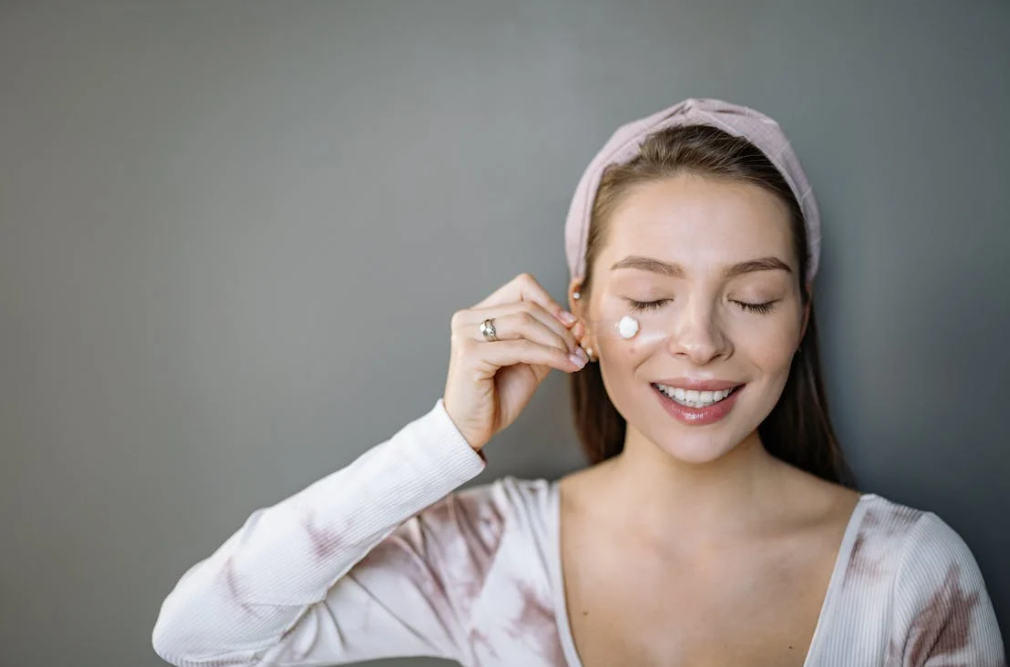
A well‑rounded anti‑aging routine might look like this:
- Morning:
- Vitamin C serum
- Moisturizer with hyaluronic acid or ceramides
- Broad‑spectrum SPF
- Evening:
- Cleanser
- Retinoid product (if tolerated)
- Moisturizer with niacinamide or peptides
Consistency is vital — most actives show noticeable results over weeks to months, not days.
Safety & Tolerance Tips
- Sun protection: Always use SPF — UV exposure is the biggest external cause of premature aging.
- Patch test new actives: Especially potent ones like retinoids or high‑strength acids.
- Go slow: Introduce one active at a time to monitor tolerance.
- Moisturize: Hydrated skin tolerates active ingredients better.
Final Thoughts
Understanding the ingredients in your anti‑aging face cream is essential to getting the results you want. While no product can stop aging, scientifically backed ingredients like retinoids, antioxidants, peptides, and hyaluronic acid help address the signs of aging — from fine lines and dullness to uneven tone and loss of firmness. When paired with daily sun protection and a consistent routine, these actives deliver observable improvements over time.
Choose products with quality formulations that deliver effective concentrations of these ingredients — and be patient. Real skin transformation is a journey, not an instant change.
FAQs
What is the most effective anti‑aging ingredient?
Retinoids (like retinol) have the strongest science behind them for reducing wrinkles and boosting collagen.
Can anti‑aging creams reverse wrinkles?
They can reduce wrinkles and improve texture, but they don’t fully reverse deep lines or structural aging. Sun protection is essential.
Is hyaluronic acid an anti‑aging ingredient?
Hyaluronic acid hydrates and plumps skin, which can soften the look of fine lines, though it doesn’t directly rebuild collagen.
Can I use vitamin C and retinol together?
Yes, but many prefer to use vitamin C in the morning and retinol at night to minimize irritation and maximize benefits.
How long until I see results?
Most actives show initial improvements in 6–12 weeks, with more significant changes over months of consistent use.