





Sensitive-area formulation approach
Small-volume, high-precision filling
Production-tested base formulas
Lightweight eye treatments designed for precision and tolerance
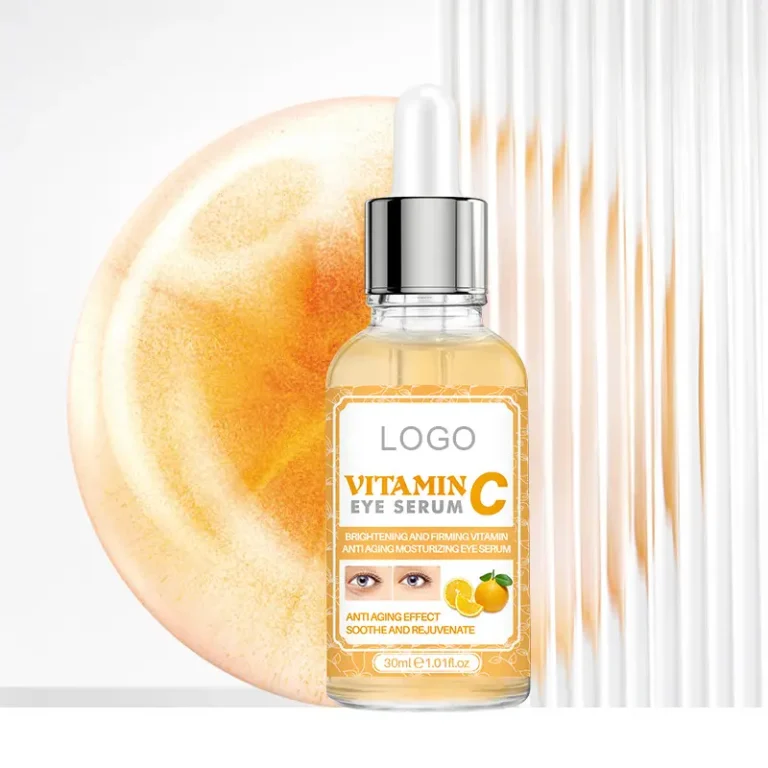
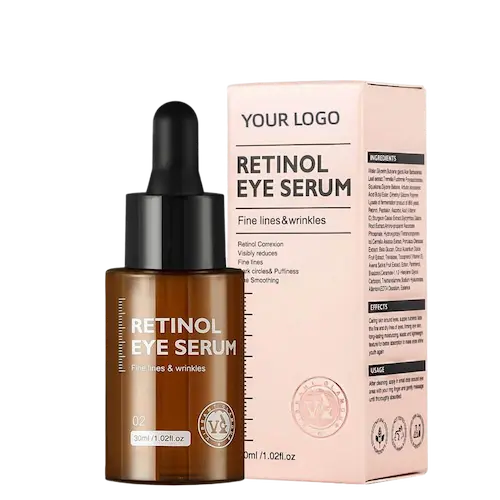
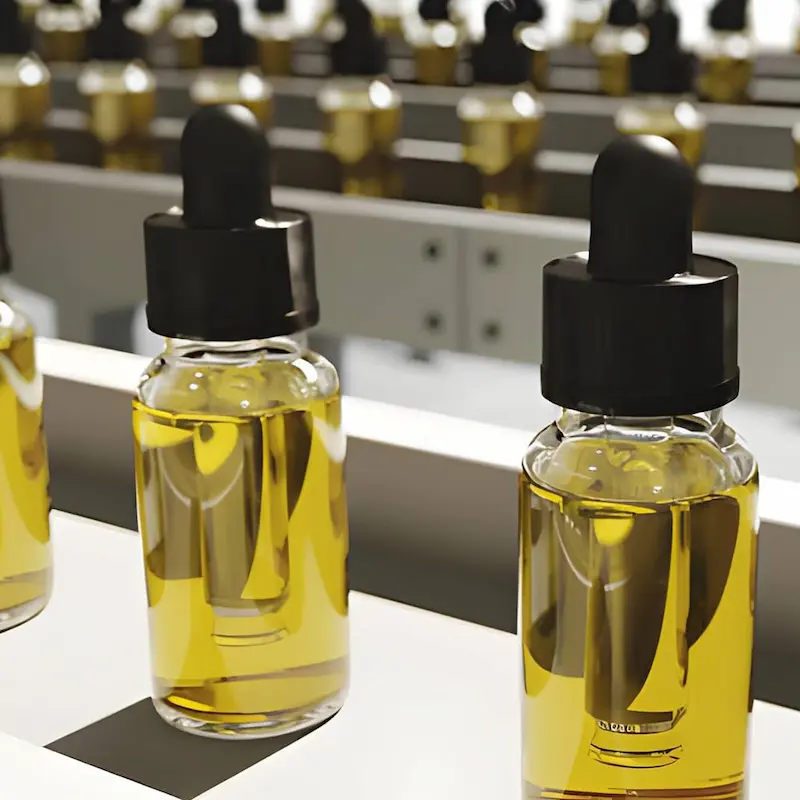
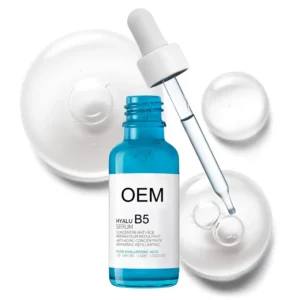
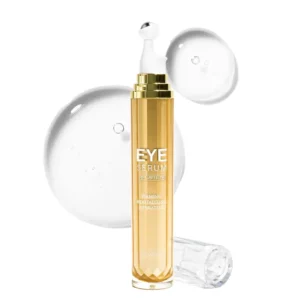
Eye serums are often chosen as the first eye care SKU for brands because they deliver targeted benefits with a lightweight skin feel. In manufacturing, eye serums require precise viscosity control, stable textures and consistent filling, especially for small-volume packaging.
Comfort-focused eye care products for long-term daily use
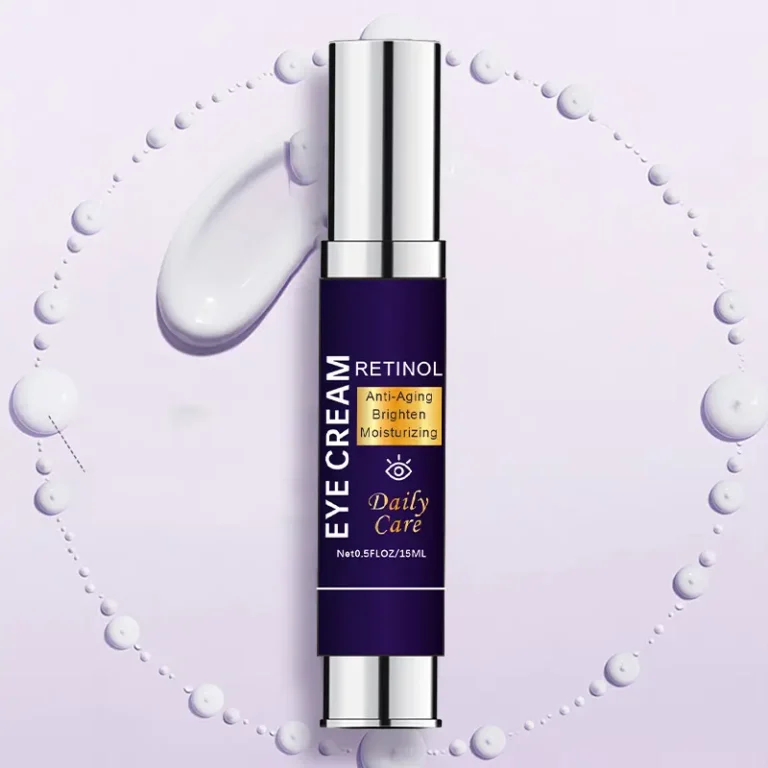
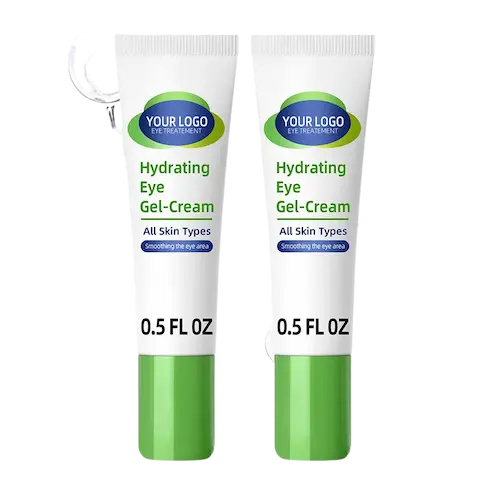
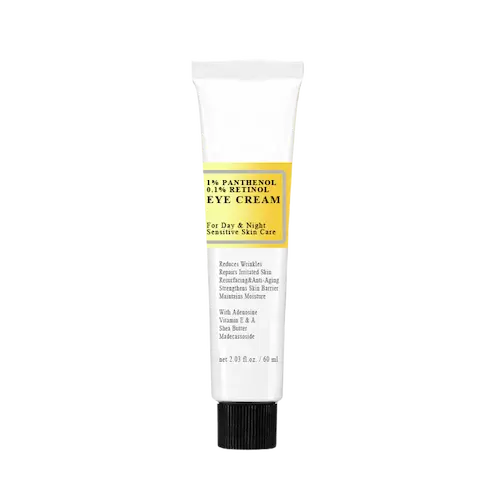
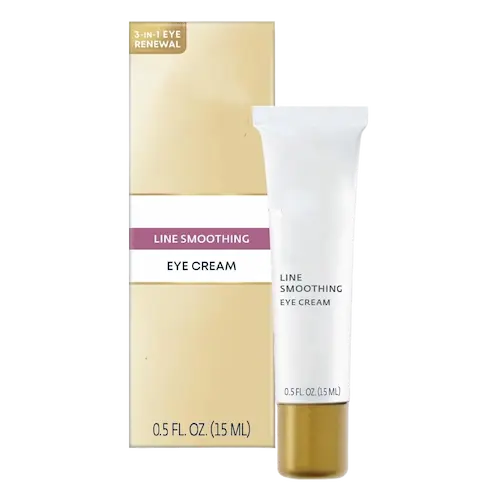
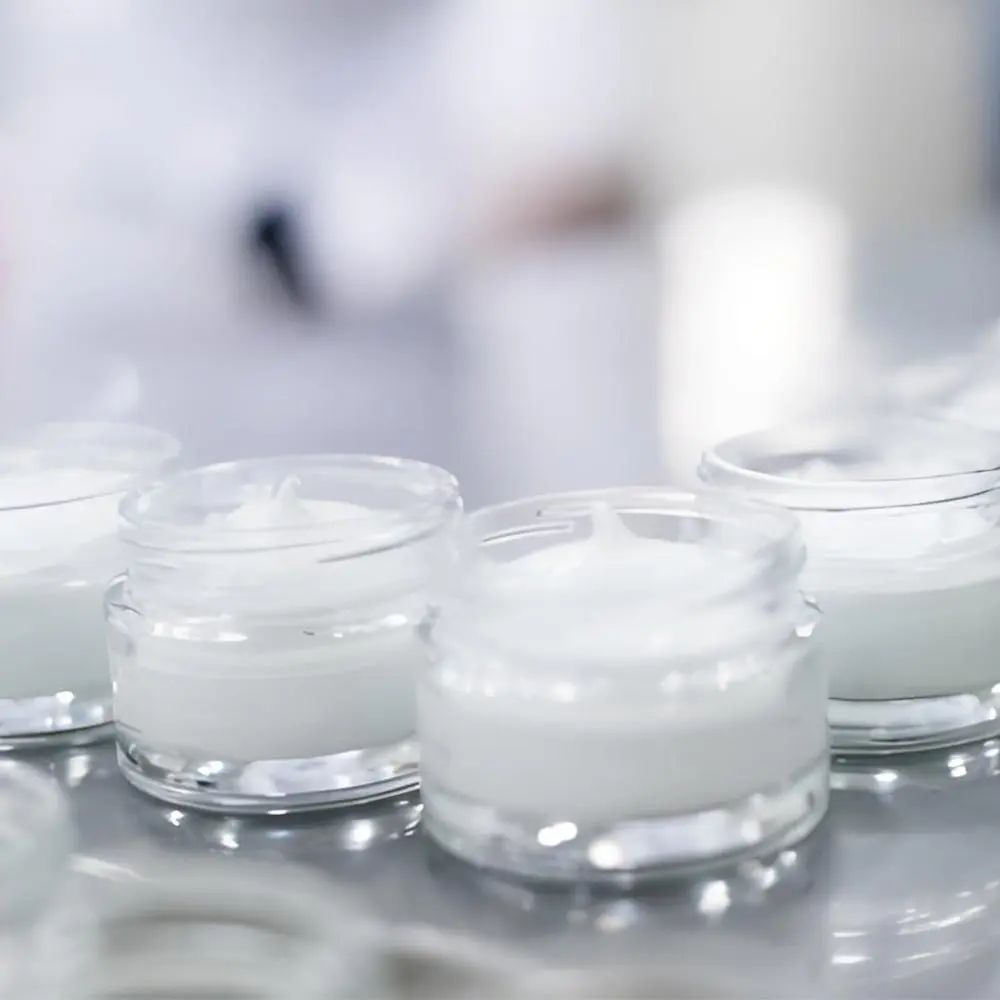
Eye creams are designed as long-term, repeat-use products that prioritize comfort and tolerance. From a manufacturing perspective, eye creams require stable emulsions, consistent texture and careful ingredient balance to support sensitive eye areas without compromising usability.
Brands usually come to us with a concern first. Here are the most common directions we manufacture, mapped to what we focus on in formulation + the best product format.
Focus: lightweight hydration, comfortable daily wear, repeat-use tolerance
Best formats: Eye Serum, light Eye Cream
Focus: supportive anti-aging positioning, long-term comfort, realistic claims
Best formats: Eye Serum (core) + Eye Cream (support)
Focus: gel/gel-cream feel, sensory consistency, non-irritating “fresh” experience
Best formats: Eye Serum
Focus: simplified structure, lower irritation risk, comfort-first texture
Best formats: Eye Cream, minimalist Eye Serum (when suitable)
Focus: hydration + “more awake look”, compliance-friendly language for EU/US
Best formats: Eye Serum, Eye Cream
Focus: High-viscosity emulsification. Liquid crystal structures for barrier reinforcement.
Best formats: Eye Serum + Eye Cream
Chat with us now for your Custom needs. Chat on WhatsApp Now
Brands usually come to us with a concern first. Here are the most common directions we manufacture, mapped to what we focus on in formulation + the best product format.
We utilize vacuum homogenization at 3,500+ RPM. This creates an ultra-fine emulsion structure. The result? A texture that is silky, absorbs instantly, and feels luxurious—essential for justifying a premium price tag.
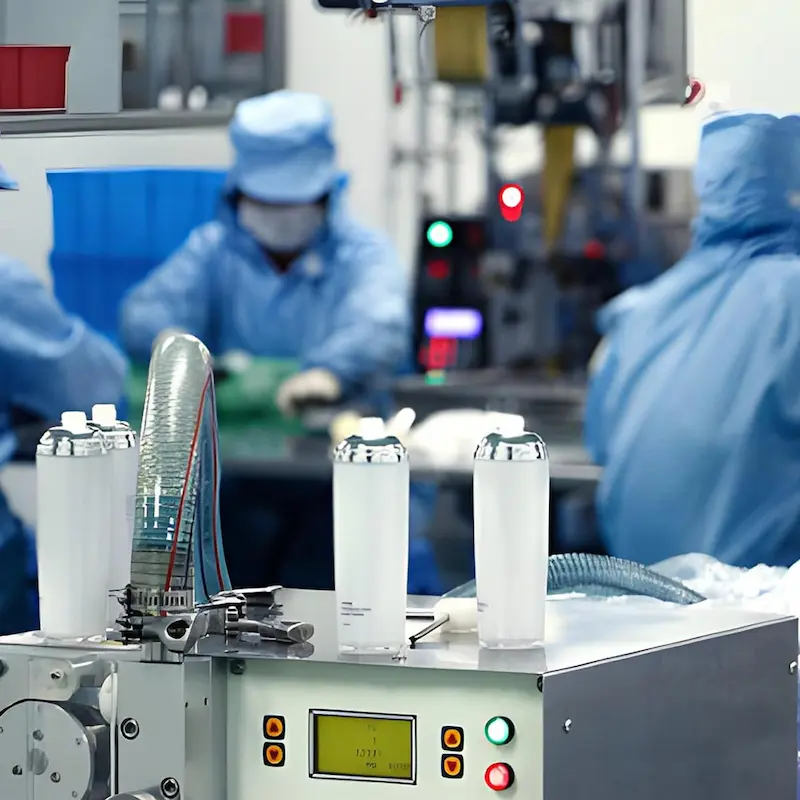
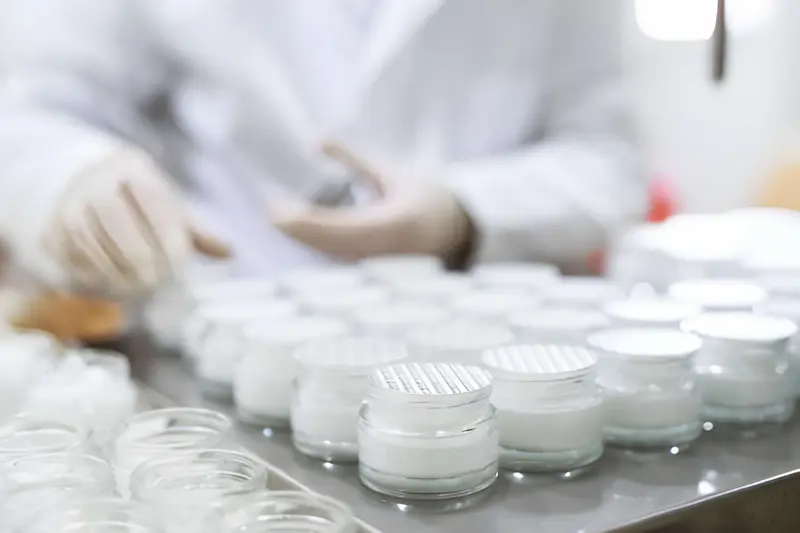
We use servo-driven ceramic piston fillers specifically designed for low-volume, high-viscosity products. We guarantee filling accuracy within ±0.2g. Your customers get exactly what they paid for.
Our Standard:
Dedicated Clean Lines: Eye products are prioritized on our most sterile lines.
Migration Testing: We simulate body temperature (37°C) in the lab to test the formula’s “creep.” We ensure the cream doesn’t melt and run into the tear ducts.
Most eye care projects fail not because of ideas, but because expectations are unclear at the beginning.
To avoid unnecessary rework, we follow a structured and transparent process for Eye Serum and Eye Cream manufacturing.
We start by aligning on the product’s purpose and usage style — whether it’s a lightweight eye serum, daily eye cream, or another eye-specific format.
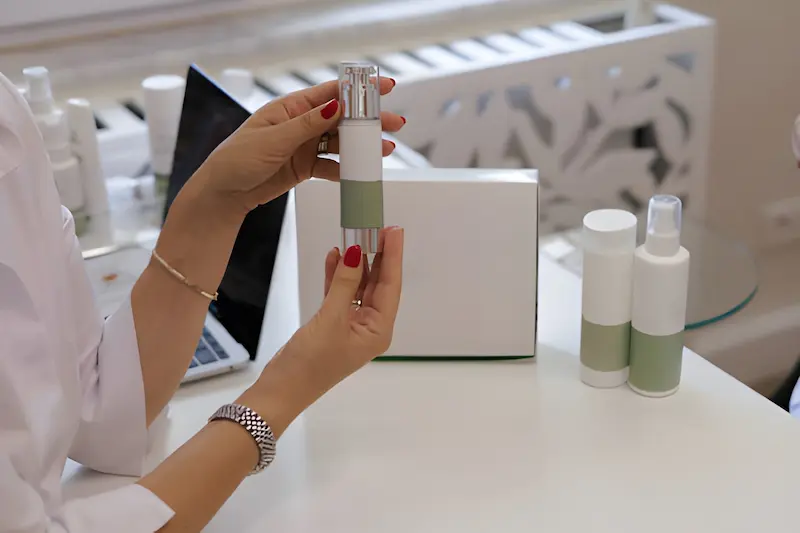
We also confirm the delivery format (e.g., dropper, pump, jar, tube) that matches your positioning and consumer expectations.
Your selected product concept is made into physical samples.
Here you confirm how the texture feels on the delicate eye area and how the formula performs in everyday use.
Typical sample lead time: ~10–20 days
Once you approve the feel and texture, we perform essential compatibility checks to ensure the formula works reliably with the chosen packaging and under normal storage conditions — no separation, no changes in feel, and no unexpected reactions.
With samples and compatibility confirmed, we lock in the final formula, packaging specs, order quantity, and expected timeline.
This step ensures that when we begin mass production, the product behaves consistently from batch to batch.
We execute mass production with quality checkpoints that matter for eye care.
Our goal is to ensure that the first batch and all reorders look, feel and perform the same as your approved samples.
Typical production lead time: ~4–8 weeks
Chat with us now for your Custom needs. Chat on WhatsApp Now
We Don’t Just Take Orders. We Audit Risks.
The Risk: Aggressive claims like "Permanent Lifting" trigger FDA/EU recalls.
Our Fix: We review your marketing claims against the formula to ensure you stay legal and safe from lawsuits
The Risk: Complex vibration wands or pumps often jam, leading to brand damage.
Our Fix: We refuse to fill cheap components. If a package fails our Durability Stress Test, we will advise you to switch suppliers immediately.
The Risk: High-strength actives (like Retinol) often cause stinging and refunds.
Our Fix: We use "Buffer Technology" to balance high efficacy with low irritation, keeping your return rate under control.
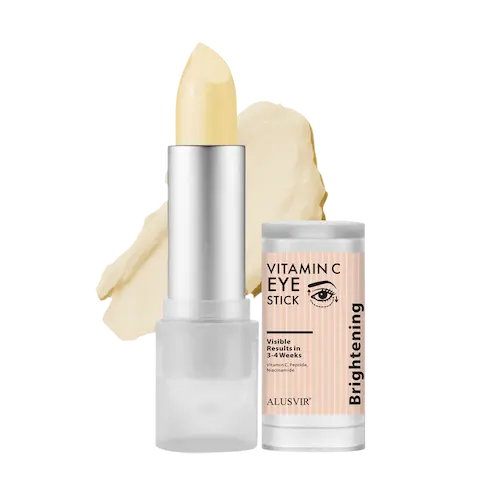
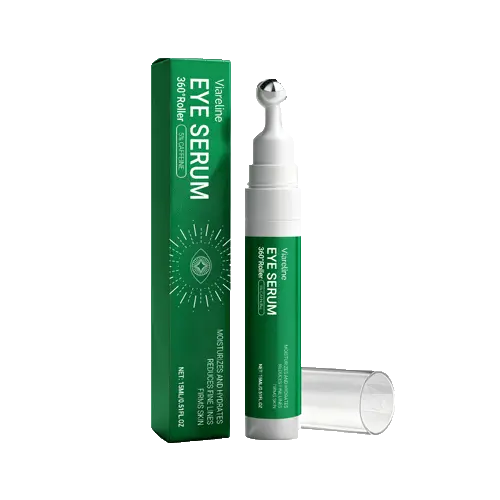
Eye care products can be developed in various formats depending on your brand positioning and consumer preferences, such as serums, creams, gels, sticks, and rollerball applications. During product alignment, we help you choose the best delivery format based on texture and market expectations.
Absolutely. You can provide your own concept, reference, or existing formula. Our team will review it for eye area compatibility and manufacturability, and we will work with you to adjust it into a production-ready and stable version.
Typical sample lead time for eye care products is about 10–20 days after all project details (formula direction, packaging choice, applicator type) are confirmed. This timeframe may vary depending on formula complexity and packaging components.
Allowed claims depend on your target market (US, EU, etc.) and regulatory frameworks. For example, “hydration” and “comfort” are widely acceptable. Stronger claims like “anti-aging” require careful wording and supporting data. We will discuss realistic claim language based on your positioning and compliance needs.
For most face care products, stability and packaging compatibility are checked before mass filling.
MOQ for eye care products depends on the formula, packaging choice, and production batch. Because eye care often uses small packaging and more controlled processes, MOQ may be higher than simple body or basic skincare products. We provide a clear MOQ range once your specifications are defined.
For most face care products, stability and packaging compatibility are checked before mass filling.
We use controlled production procedures, in-process quality checks, and fixed packaging parameters to ensure batch-to-batch consistency. Eye care products undergo additional checkpoints due to their sensitivity and precision requirements, helping ensure that your reorders match the initial launch batch.
For most face care products, stability and packaging compatibility are checked before mass filling.
Working with skincare and personal care brands in Europe and North America.
We focus on steady quality, practical communication and realistic timelines.
Have a Question About Your Product Idea?
CALL US DIRECTLY
+86 18923107585
MAIL US DIRECTLY
info@sheleys.com